 01 / Case note
Learn the ritual
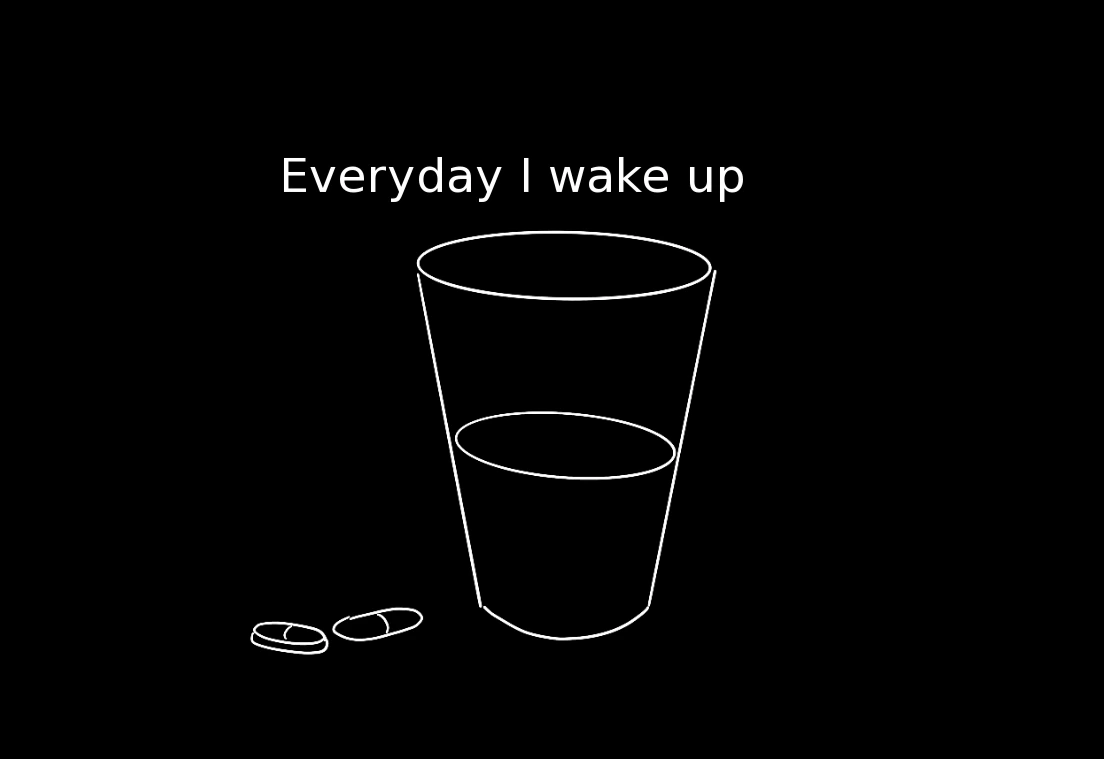
Repetition creates the baseline needed to recognize a later change.
Free online / Psychological story
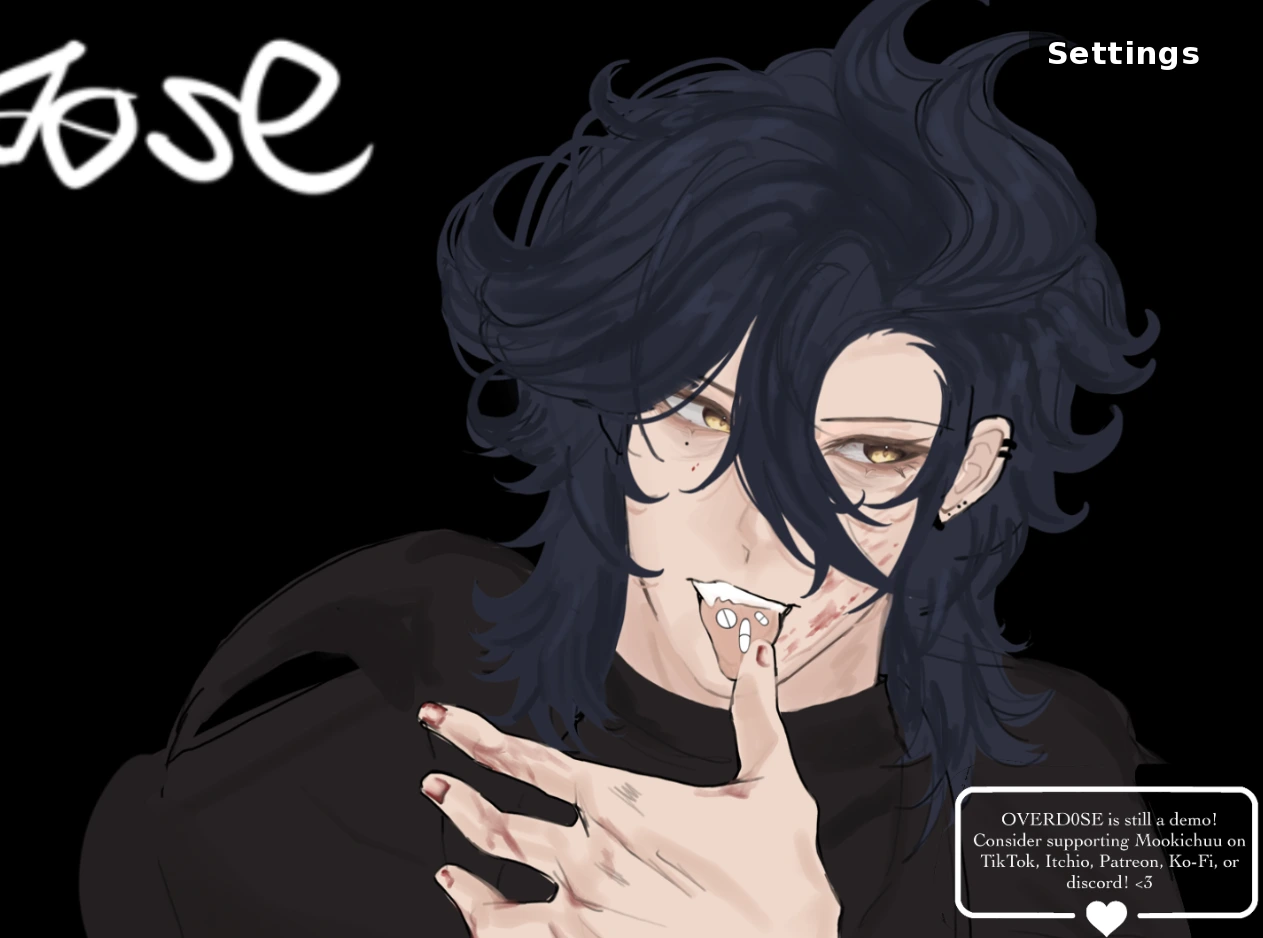
Follow the routine, monitor Anxiety and Awareness, and decide whether Evren's reassurance deserves the final word.












Intake booth / 01
Over Dose opens with pills and repetition before Anxiety, Awareness, rooms, and Evren make the familiar routine difficult to trust.
This Fun House edition preserves the demo's uncertainty through five images, two videos, a long original guide, eleven FAQs, and an unofficial route reflection.
01 / Case noteRepetition creates the baseline needed to recognize a later change.
 02 / Case note
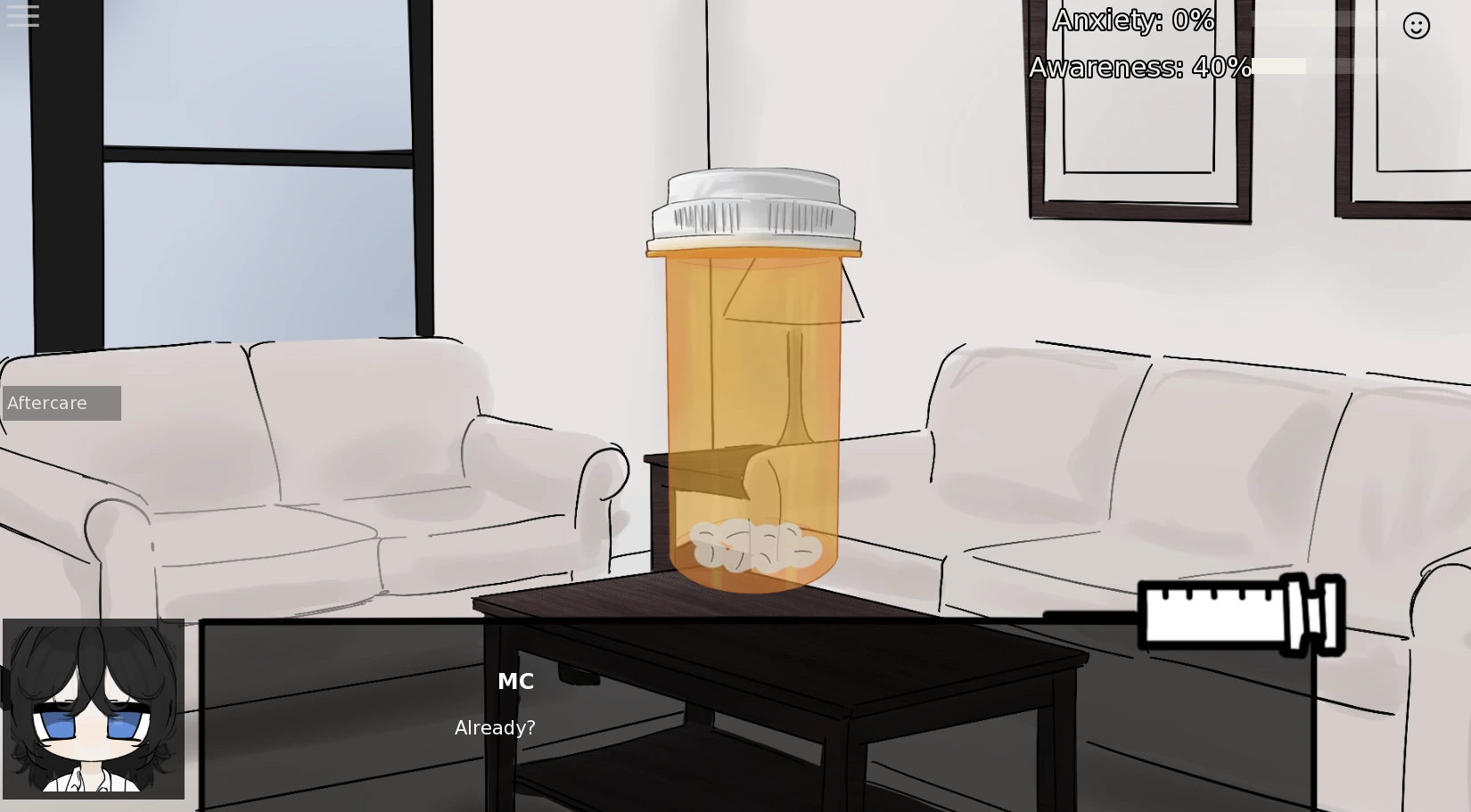
Anxiety and Awareness describe different costs instead of one moral grade.
 03 / Case note
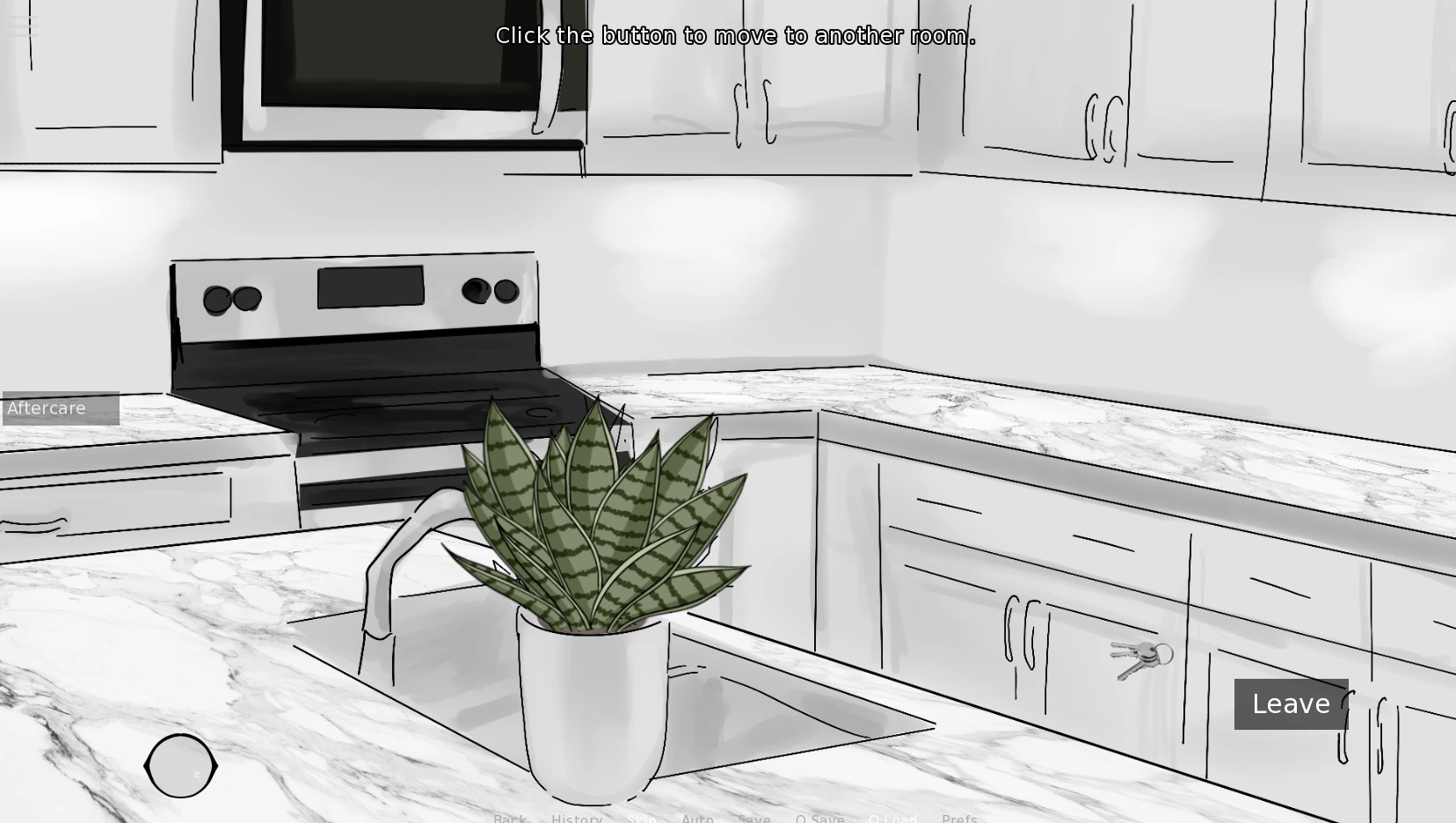
Objects and exits can preserve evidence when dialogue becomes uncertain.
 04 / Case note
Professional authority and personal attachment should not be treated as the same proof.
Case gallery / 02
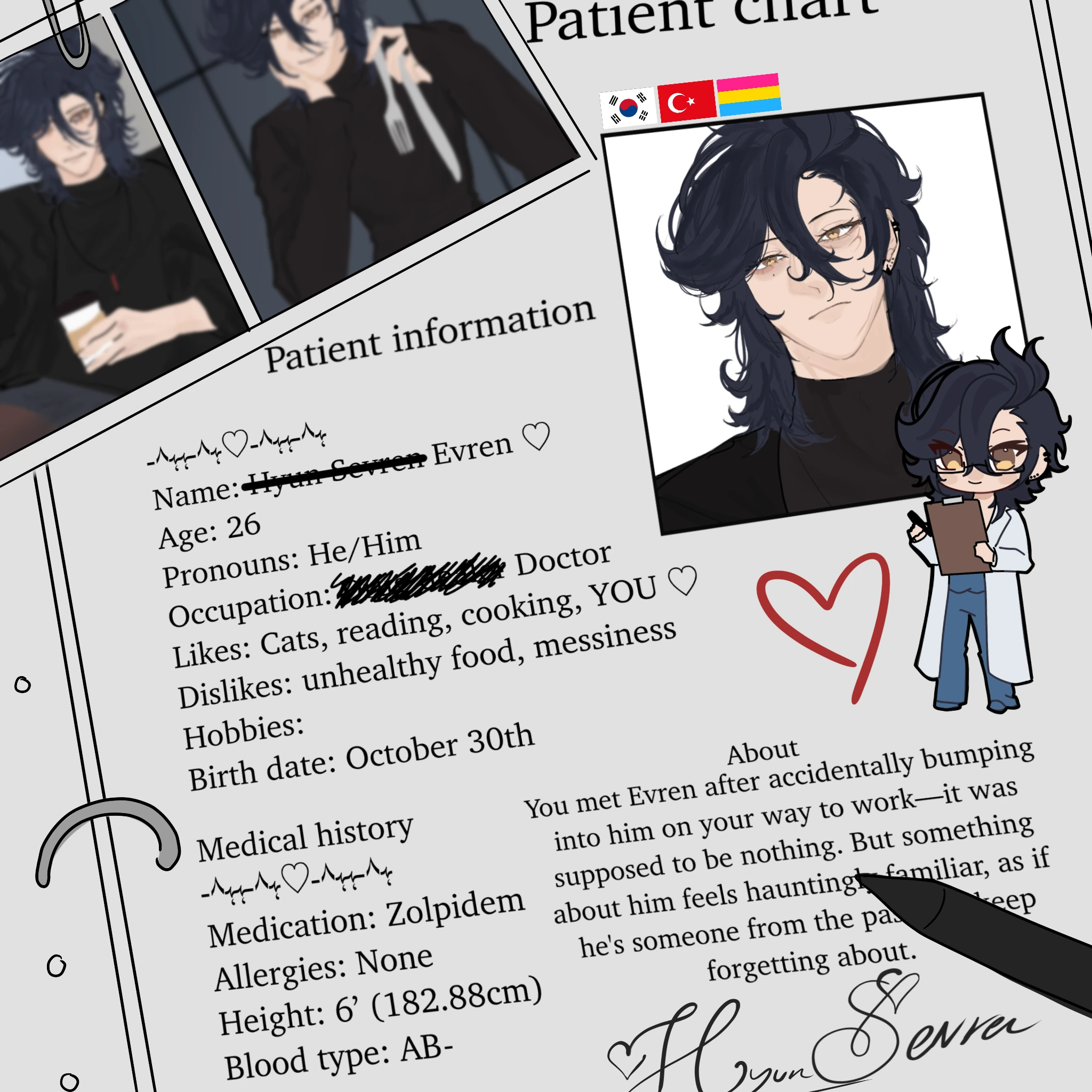
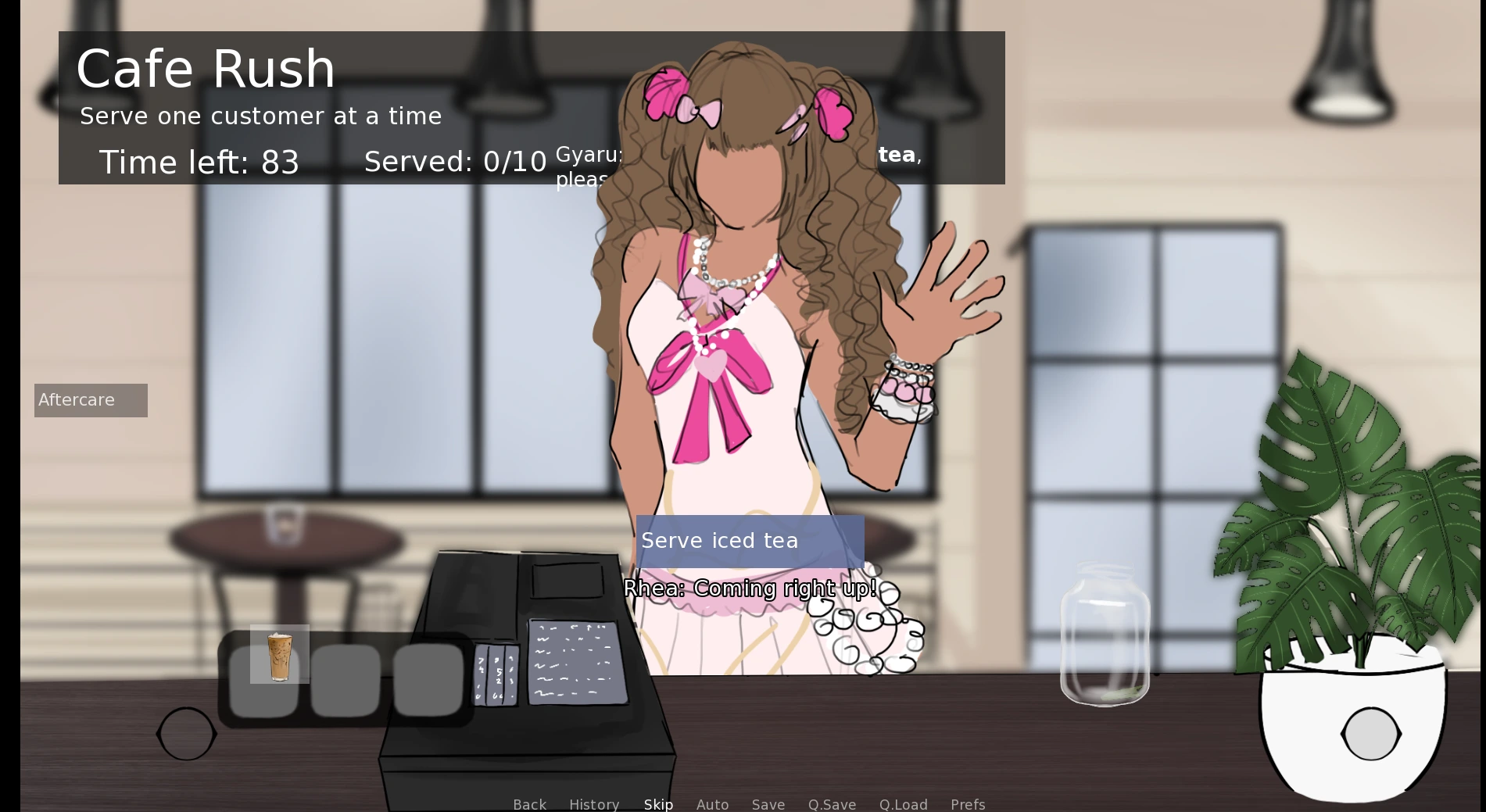
Medicine, room navigation, status values, Evren's patient chart, aftercare, and Cafe Rush widen the demo beyond passive reading.
Screening tent / 03
Two supplied recordings provide additional visual novel and route context.
Watch dialogue, choices, status feedback, and scene rhythm before planning a controlled replay.
Watch dialogue, choices, status feedback, and scene rhythm before planning a controlled replay.
Attraction file / 04
Over Dose builds its Fun House tension around why pills, water, and repetition establish the first rule before the attraction appears strange. The scenery is mostly pale and ordinary, yet each familiar action behaves like a carnival instruction painted over an uncertain mechanism. A pill says treatment, a patient chart says authority, a room label says location, and a meter says that emotion can be counted. The player gradually learns that a clean label does not guarantee a complete explanation. Repetition makes the attraction readable first, then allows one altered detail to feel louder than a flashing sign.
A practical midway rule is to record the baseline before reacting to a dramatic clue. Anxiety and Awareness should be read together but not collapsed into one score. More knowledge may increase emotional pressure; immediate calm may depend on accepting a story that has not been verified. Evren's warmth matters because relationships shape every choice, but warmth remains one form of evidence among several. The protagonist's memory, available exits, objects in the room, and the consequences of previous compliance also deserve a place in the route record.
This Frankie's Fun House edition treats each replay like a second walk through an attraction after learning where one mirror distorted the route. Keep the overall attitude stable and revise one response to reassurance, medicine, or exploration. The screenshots also show Aftercare and Cafe Rush, proving that the demo changes rhythm rather than remaining passive dialogue. Because the title screen calls the current release a demo, this guide avoids promising final canon. The interactive result below describes only the tendency created by your answers.
The visual novel builds its Fun House tension around how noticing a contradiction changes the route without automatically making the protagonist safe. The scenery is mostly pale and ordinary, yet each familiar action behaves like a carnival instruction painted over an uncertain mechanism. A pill says treatment, a patient chart says authority, a room label says location, and a meter says that emotion can be counted. The player gradually learns that a clean label does not guarantee a complete explanation. Repetition makes the attraction readable first, then allows one altered detail to feel louder than a flashing sign.
A practical midway rule is to compare evidence with the explanation offered for it. Anxiety and Awareness should be read together but not collapsed into one score. More knowledge may increase emotional pressure; immediate calm may depend on accepting a story that has not been verified. Evren's warmth matters because relationships shape every choice, but warmth remains one form of evidence among several. The protagonist's memory, available exits, objects in the room, and the consequences of previous compliance also deserve a place in the route record.
This Frankie's Fun House edition treats each replay like a second walk through an attraction after learning where one mirror distorted the route. Preserve the successful scenes and test only the moment when comfort replaced a boundary. The screenshots also show Aftercare and Cafe Rush, proving that the demo changes rhythm rather than remaining passive dialogue. Because the title screen calls the current release a demo, this guide avoids promising final canon. The interactive result below describes only the tendency created by your answers.
The visual novel builds its Fun House tension around why distress measures cost and intensity rather than simply grading a choice as wrong. The scenery is mostly pale and ordinary, yet each familiar action behaves like a carnival instruction painted over an uncertain mechanism. A pill says treatment, a patient chart says authority, a room label says location, and a meter says that emotion can be counted. The player gradually learns that a clean label does not guarantee a complete explanation. Repetition makes the attraction readable first, then allows one altered detail to feel louder than a flashing sign.
A practical midway rule is to protect comfort without discarding useful information. Anxiety and Awareness should be read together but not collapsed into one score. More knowledge may increase emotional pressure; immediate calm may depend on accepting a story that has not been verified. Evren's warmth matters because relationships shape every choice, but warmth remains one form of evidence among several. The protagonist's memory, available exits, objects in the room, and the consequences of previous compliance also deserve a place in the route record.
This Frankie's Fun House edition treats each replay like a second walk through an attraction after learning where one mirror distorted the route. Keep the overall attitude stable and revise one response to reassurance, medicine, or exploration. The screenshots also show Aftercare and Cafe Rush, proving that the demo changes rhythm rather than remaining passive dialogue. Because the title screen calls the current release a demo, this guide avoids promising final canon. The interactive result below describes only the tendency created by your answers.
The visual novel builds its Fun House tension around how a doctor can offer care, familiarity, attraction, and authority in the same scene. The scenery is mostly pale and ordinary, yet each familiar action behaves like a carnival instruction painted over an uncertain mechanism. A pill says treatment, a patient chart says authority, a room label says location, and a meter says that emotion can be counted. The player gradually learns that a clean label does not guarantee a complete explanation. Repetition makes the attraction readable first, then allows one altered detail to feel louder than a flashing sign.
A practical midway rule is to separate a warm response from proof that a boundary is respected. Anxiety and Awareness should be read together but not collapsed into one score. More knowledge may increase emotional pressure; immediate calm may depend on accepting a story that has not been verified. Evren's warmth matters because relationships shape every choice, but warmth remains one form of evidence among several. The protagonist's memory, available exits, objects in the room, and the consequences of previous compliance also deserve a place in the route record.
This Frankie's Fun House edition treats each replay like a second walk through an attraction after learning where one mirror distorted the route. Preserve the successful scenes and test only the moment when comfort replaced a boundary. The screenshots also show Aftercare and Cafe Rush, proving that the demo changes rhythm rather than remaining passive dialogue. Because the title screen calls the current release a demo, this guide avoids promising final canon. The interactive result below describes only the tendency created by your answers.
The visual novel builds its Fun House tension around why recovery scenes create time to reinterpret what just happened. The scenery is mostly pale and ordinary, yet each familiar action behaves like a carnival instruction painted over an uncertain mechanism. A pill says treatment, a patient chart says authority, a room label says location, and a meter says that emotion can be counted. The player gradually learns that a clean label does not guarantee a complete explanation. Repetition makes the attraction readable first, then allows one altered detail to feel louder than a flashing sign.
A practical midway rule is to ask whether calm returned agency or only ended resistance. Anxiety and Awareness should be read together but not collapsed into one score. More knowledge may increase emotional pressure; immediate calm may depend on accepting a story that has not been verified. Evren's warmth matters because relationships shape every choice, but warmth remains one form of evidence among several. The protagonist's memory, available exits, objects in the room, and the consequences of previous compliance also deserve a place in the route record.
This Frankie's Fun House edition treats each replay like a second walk through an attraction after learning where one mirror distorted the route. Keep the overall attitude stable and revise one response to reassurance, medicine, or exploration. The screenshots also show Aftercare and Cafe Rush, proving that the demo changes rhythm rather than remaining passive dialogue. Because the title screen calls the current release a demo, this guide avoids promising final canon. The interactive result below describes only the tendency created by your answers.
The visual novel builds its Fun House tension around how kitchens, exits, medicine, patient records, and repeated objects preserve continuity. The scenery is mostly pale and ordinary, yet each familiar action behaves like a carnival instruction painted over an uncertain mechanism. A pill says treatment, a patient chart says authority, a room label says location, and a meter says that emotion can be counted. The player gradually learns that a clean label does not guarantee a complete explanation. Repetition makes the attraction readable first, then allows one altered detail to feel louder than a flashing sign.
A practical midway rule is to notice one changed item or instruction at a time. Anxiety and Awareness should be read together but not collapsed into one score. More knowledge may increase emotional pressure; immediate calm may depend on accepting a story that has not been verified. Evren's warmth matters because relationships shape every choice, but warmth remains one form of evidence among several. The protagonist's memory, available exits, objects in the room, and the consequences of previous compliance also deserve a place in the route record.
This Frankie's Fun House edition treats each replay like a second walk through an attraction after learning where one mirror distorted the route. Preserve the successful scenes and test only the moment when comfort replaced a boundary. The screenshots also show Aftercare and Cafe Rush, proving that the demo changes rhythm rather than remaining passive dialogue. Because the title screen calls the current release a demo, this guide avoids promising final canon. The interactive result below describes only the tendency created by your answers.
The visual novel builds its Fun House tension around how serving customers under a timer interrupts reflective reading and tests divided attention. The scenery is mostly pale and ordinary, yet each familiar action behaves like a carnival instruction painted over an uncertain mechanism. A pill says treatment, a patient chart says authority, a room label says location, and a meter says that emotion can be counted. The player gradually learns that a clean label does not guarantee a complete explanation. Repetition makes the attraction readable first, then allows one altered detail to feel louder than a flashing sign.
A practical midway rule is to complete the visible request without losing the larger route question. Anxiety and Awareness should be read together but not collapsed into one score. More knowledge may increase emotional pressure; immediate calm may depend on accepting a story that has not been verified. Evren's warmth matters because relationships shape every choice, but warmth remains one form of evidence among several. The protagonist's memory, available exits, objects in the room, and the consequences of previous compliance also deserve a place in the route record.
This Frankie's Fun House edition treats each replay like a second walk through an attraction after learning where one mirror distorted the route. Keep the overall attitude stable and revise one response to reassurance, medicine, or exploration. The screenshots also show Aftercare and Cafe Rush, proving that the demo changes rhythm rather than remaining passive dialogue. Because the title screen calls the current release a demo, this guide avoids promising final canon. The interactive result below describes only the tendency created by your answers.
The visual novel builds its Fun House tension around why route tendencies are useful while invented official endings are not. The scenery is mostly pale and ordinary, yet each familiar action behaves like a carnival instruction painted over an uncertain mechanism. A pill says treatment, a patient chart says authority, a room label says location, and a meter says that emotion can be counted. The player gradually learns that a clean label does not guarantee a complete explanation. Repetition makes the attraction readable first, then allows one altered detail to feel louder than a flashing sign.
A practical midway rule is to treat the first result as evidence for one controlled replay. Anxiety and Awareness should be read together but not collapsed into one score. More knowledge may increase emotional pressure; immediate calm may depend on accepting a story that has not been verified. Evren's warmth matters because relationships shape every choice, but warmth remains one form of evidence among several. The protagonist's memory, available exits, objects in the room, and the consequences of previous compliance also deserve a place in the route record.
This Frankie's Fun House edition treats each replay like a second walk through an attraction after learning where one mirror distorted the route. Preserve the successful scenes and test only the moment when comfort replaced a boundary. The screenshots also show Aftercare and Cafe Rush, proving that the demo changes rhythm rather than remaining passive dialogue. Because the title screen calls the current release a demo, this guide avoids promising final canon. The interactive result below describes only the tendency created by your answers.
Questions and answers / 05
Demo status, Evren, meters, exploration, Cafe Rush, aftercare, browser loading, and player comfort.
Over Dose is a psychological visual novel demo about medication, Anxiety, Awareness, room exploration, aftercare, and a complicated relationship with the doctor Evren.
Yes. Press Play to load the supplied browser build without a separate installation.
The visible patient chart describes Evren as a 26-year-old doctor whose connection to the protagonist feels unusually familiar.
They provide different kinds of route feedback; Anxiety reflects pressure while Awareness reflects recognition, and neither is a complete morality score.
Yes. The screenshots show movement between rooms, clickable objects, an exit option, and an item interface.
It is a timed service task where the player handles one customer at a time and prepares the requested drink.
Aftercare is a quieter option associated with recovery and reflection after an intense scene.
No. The result below is an unofficial spoiler-light reflection based only on your selections.
A modern mobile browser may work, though desktop fullscreen provides clearer text and more reliable timed controls.
Wait for remote assets, click inside the frame, refresh once, and check extensions or networks that block scripts and iframes.
Review it first; it includes medication, distress, anxiety, dependency, possible manipulation, blood marks, and a troubling doctor-patient dynamic.
Interactive route reflection
Choose one response in each scene to reveal your route tendency.