 01 / Operator note
Read broad sectors
A recurring window is more dependable than a perfect angle chased in panic.
Free online / One-button horror
Follow one rotating pointer and commit at the right instant inside a short horror run where every landing creates the next risk.










Control booth / 01
Death Spiral uses one button to combine timing, direction, movement, and commitment. The pointer always returns, but the safe situation around it may disappear while the player waits.
This Fun House edition approaches each attempt like a midway machine inspection. The game remains tense and fast, while the guide records how broad sectors, landing space, waiting limits, and controlled replay make improvement readable.
01 / Operator noteA recurring window is more dependable than a perfect angle chased in panic.
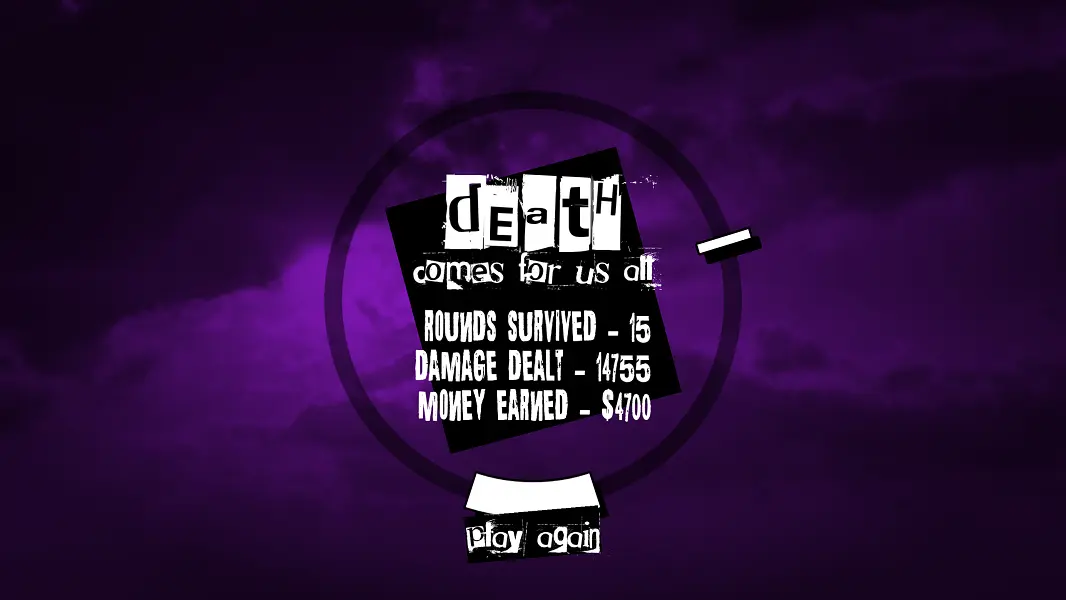 02 / Operator note
The best move leaves a useful next decision instead of only covering distance.
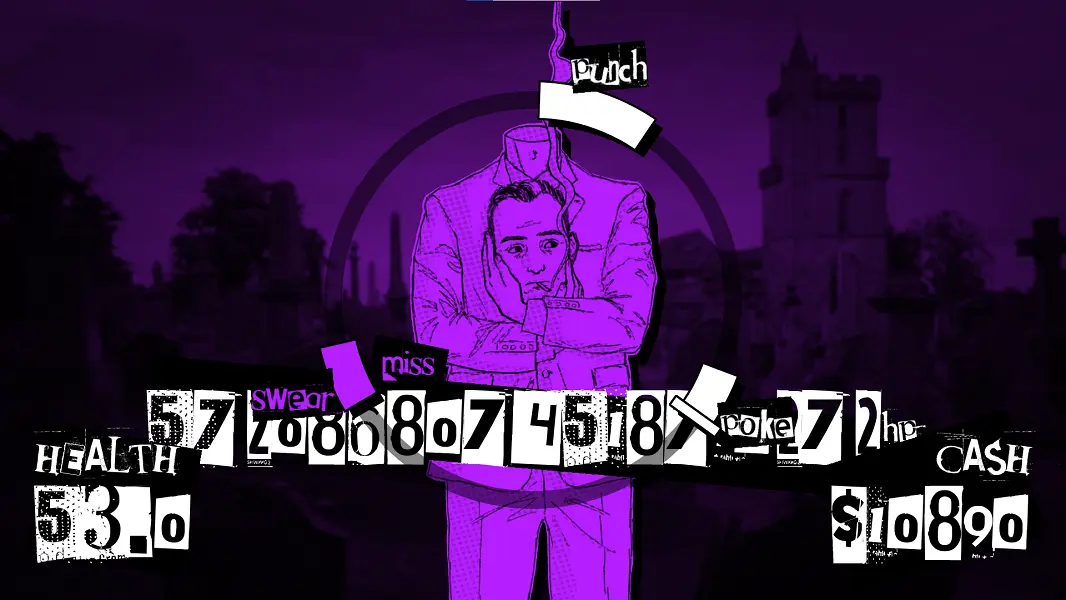 03 / Operator note
Observation helps until the surrounding danger makes another cycle unaffordable.
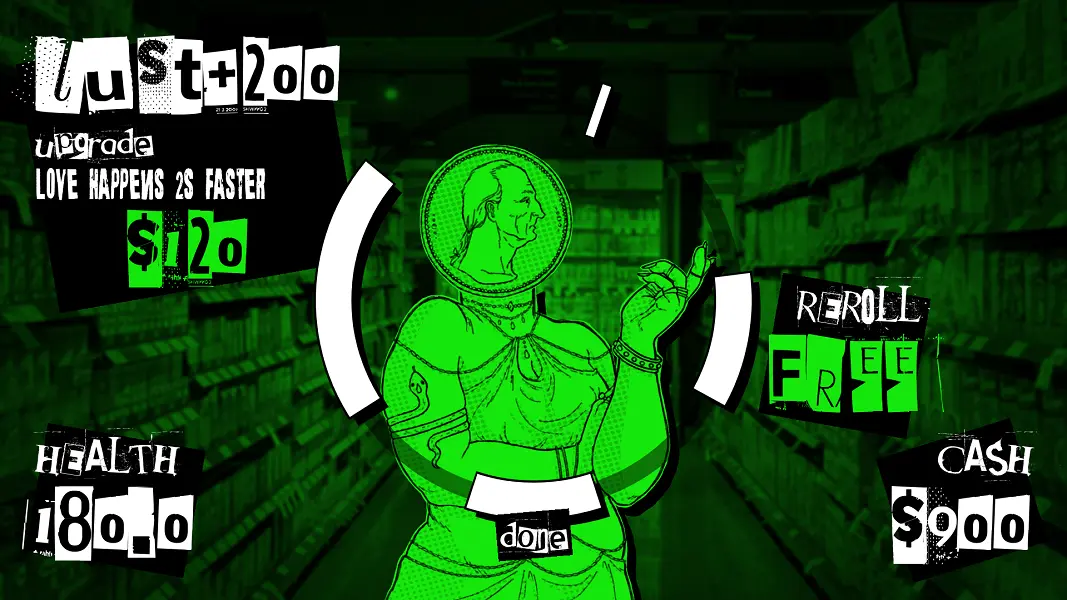 04 / Operator note
Change one avoidable mistake and preserve the route that already worked.
Recovered frames / 02
Minimal geometry becomes difficult when speed, sound, and previous landing choices begin competing for attention.
Screening tent / 03
Two short videos show the timing rhythm before you return to the interactive player.
Operator manual / 04
Death Spiral builds a complete horror system around how a rotating pointer compresses direction, timing, movement, and consequence into one committed click. The control vocabulary is tiny, but the decision is not. A click chooses when possibility becomes movement, which direction receives that commitment, and where the player must begin reading the next cycle. There is no second directional input that can rescue a poor plan halfway through. This makes the arena unusually honest: a failed move usually leaves visible evidence in the relationship between the pointer, the nearby threat, the time spent waiting, and the final position.
A practical booth rule is to watch several cycles before deciding that the first available direction is the necessary one. Divide the rotation into broad sectors and decide which regions preserve usable space. The aim is not to prove perfect reflexes during the first run. It is to build a repeatable connection between the pointer position and the result after pressing. Once the marker lands, stop judging the old move by distance and immediately inspect the new options. A short controlled motion can be stronger than a dramatic launch when it leaves two safe windows available instead of one narrow escape.
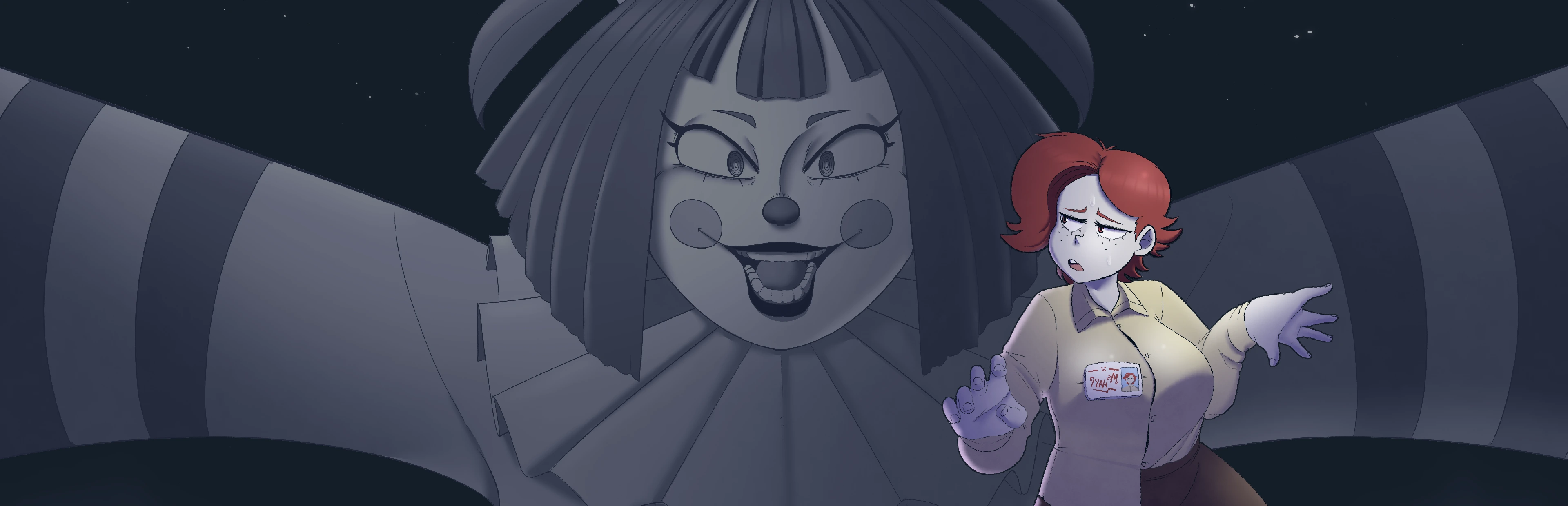
Frankie's Fun House presents the spiral as its most severe midway attraction: one lever, one moving indicator, and a machine that turns hesitation into atmosphere. The lights and sound want a reaction, but the mechanism rewards comparison. After a loss, identify the first moment when control became smaller. Preserve the opening and change only that decision. This method allows dread and learning to coexist. Understanding the cycle does not make its acceleration comfortable, but it makes improvement measurable instead of lucky.
The game builds a complete horror system around why recurring sectors are easier to trust than a perfect angle chased under pressure. The control vocabulary is tiny, but the decision is not. A click chooses when possibility becomes movement, which direction receives that commitment, and where the player must begin reading the next cycle. There is no second directional input that can rescue a poor plan halfway through. This makes the arena unusually honest: a failed move usually leaves visible evidence in the relationship between the pointer, the nearby threat, the time spent waiting, and the final position.
A practical booth rule is to name a broad useful window and press as the pointer enters it. Divide the rotation into broad sectors and decide which regions preserve usable space. The aim is not to prove perfect reflexes during the first run. It is to build a repeatable connection between the pointer position and the result after pressing. Once the marker lands, stop judging the old move by distance and immediately inspect the new options. A short controlled motion can be stronger than a dramatic launch when it leaves two safe windows available instead of one narrow escape.
Frankie's Fun House presents the spiral as its most severe midway attraction: one lever, one moving indicator, and a machine that turns hesitation into atmosphere. The lights and sound want a reaction, but the mechanism rewards comparison. After a loss, identify the first moment when control became smaller. Preserve the opening and change only that decision. This method allows dread and learning to coexist. Understanding the cycle does not make its acceleration comfortable, but it makes improvement measurable instead of lucky.
The game builds a complete horror system around how a long move can look successful while quietly removing every safe follow-up. The control vocabulary is tiny, but the decision is not. A click chooses when possibility becomes movement, which direction receives that commitment, and where the player must begin reading the next cycle. There is no second directional input that can rescue a poor plan halfway through. This makes the arena unusually honest: a failed move usually leaves visible evidence in the relationship between the pointer, the nearby threat, the time spent waiting, and the final position.
A practical booth rule is to choose open space that preserves at least two future directions. Divide the rotation into broad sectors and decide which regions preserve usable space. The aim is not to prove perfect reflexes during the first run. It is to build a repeatable connection between the pointer position and the result after pressing. Once the marker lands, stop judging the old move by distance and immediately inspect the new options. A short controlled motion can be stronger than a dramatic launch when it leaves two safe windows available instead of one narrow escape.
Frankie's Fun House presents the spiral as its most severe midway attraction: one lever, one moving indicator, and a machine that turns hesitation into atmosphere. The lights and sound want a reaction, but the mechanism rewards comparison. After a loss, identify the first moment when control became smaller. Preserve the opening and change only that decision. This method allows dread and learning to coexist. Understanding the cycle does not make its acceleration comfortable, but it makes improvement measurable instead of lucky.
The game builds a complete horror system around why patience improves alignment while the danger pattern continues to close. The control vocabulary is tiny, but the decision is not. A click chooses when possibility becomes movement, which direction receives that commitment, and where the player must begin reading the next cycle. There is no second directional input that can rescue a poor plan halfway through. This makes the arena unusually honest: a failed move usually leaves visible evidence in the relationship between the pointer, the nearby threat, the time spent waiting, and the final position.
A practical booth rule is to set a limit on how many revolutions the current position can afford. Divide the rotation into broad sectors and decide which regions preserve usable space. The aim is not to prove perfect reflexes during the first run. It is to build a repeatable connection between the pointer position and the result after pressing. Once the marker lands, stop judging the old move by distance and immediately inspect the new options. A short controlled motion can be stronger than a dramatic launch when it leaves two safe windows available instead of one narrow escape.
Frankie's Fun House presents the spiral as its most severe midway attraction: one lever, one moving indicator, and a machine that turns hesitation into atmosphere. The lights and sound want a reaction, but the mechanism rewards comparison. After a loss, identify the first moment when control became smaller. Preserve the opening and change only that decision. This method allows dread and learning to coexist. Understanding the cycle does not make its acceleration comfortable, but it makes improvement measurable instead of lucky.
The game builds a complete horror system around how sound, flashing movement, and acceleration encourage a panic click before geometry requires one. The control vocabulary is tiny, but the decision is not. A click chooses when possibility becomes movement, which direction receives that commitment, and where the player must begin reading the next cycle. There is no second directional input that can rescue a poor plan halfway through. This makes the arena unusually honest: a failed move usually leaves visible evidence in the relationship between the pointer, the nearby threat, the time spent waiting, and the final position.
A practical booth rule is to read the visible relationship between pointer and threat separately from the emotional alarm. Divide the rotation into broad sectors and decide which regions preserve usable space. The aim is not to prove perfect reflexes during the first run. It is to build a repeatable connection between the pointer position and the result after pressing. Once the marker lands, stop judging the old move by distance and immediately inspect the new options. A short controlled motion can be stronger than a dramatic launch when it leaves two safe windows available instead of one narrow escape.
Frankie's Fun House presents the spiral as its most severe midway attraction: one lever, one moving indicator, and a machine that turns hesitation into atmosphere. The lights and sound want a reaction, but the mechanism rewards comparison. After a loss, identify the first moment when control became smaller. Preserve the opening and change only that decision. This method allows dread and learning to coexist. Understanding the cycle does not make its acceleration comfortable, but it makes improvement measurable instead of lucky.
The game builds a complete horror system around why repeated failure teaches only when the first avoidable mistake can be named. The control vocabulary is tiny, but the decision is not. A click chooses when possibility becomes movement, which direction receives that commitment, and where the player must begin reading the next cycle. There is no second directional input that can rescue a poor plan halfway through. This makes the arena unusually honest: a failed move usually leaves visible evidence in the relationship between the pointer, the nearby threat, the time spent waiting, and the final position.
A practical booth rule is to change one timing window and preserve the opening that already worked. Divide the rotation into broad sectors and decide which regions preserve usable space. The aim is not to prove perfect reflexes during the first run. It is to build a repeatable connection between the pointer position and the result after pressing. Once the marker lands, stop judging the old move by distance and immediately inspect the new options. A short controlled motion can be stronger than a dramatic launch when it leaves two safe windows available instead of one narrow escape.
Frankie's Fun House presents the spiral as its most severe midway attraction: one lever, one moving indicator, and a machine that turns hesitation into atmosphere. The lights and sound want a reaction, but the mechanism rewards comparison. After a loss, identify the first moment when control became smaller. Preserve the opening and change only that decision. This method allows dread and learning to coexist. Understanding the cycle does not make its acceleration comfortable, but it makes improvement measurable instead of lucky.
The game builds a complete horror system around how a conservative early rhythm leaves more concentration for unfamiliar late patterns. The control vocabulary is tiny, but the decision is not. A click chooses when possibility becomes movement, which direction receives that commitment, and where the player must begin reading the next cycle. There is no second directional input that can rescue a poor plan halfway through. This makes the arena unusually honest: a failed move usually leaves visible evidence in the relationship between the pointer, the nearby threat, the time spent waiting, and the final position.
A practical booth rule is to practice the same opening until its timing becomes calm rather than improvised. Divide the rotation into broad sectors and decide which regions preserve usable space. The aim is not to prove perfect reflexes during the first run. It is to build a repeatable connection between the pointer position and the result after pressing. Once the marker lands, stop judging the old move by distance and immediately inspect the new options. A short controlled motion can be stronger than a dramatic launch when it leaves two safe windows available instead of one narrow escape.
Frankie's Fun House presents the spiral as its most severe midway attraction: one lever, one moving indicator, and a machine that turns hesitation into atmosphere. The lights and sound want a reaction, but the mechanism rewards comparison. After a loss, identify the first moment when control became smaller. Preserve the opening and change only that decision. This method allows dread and learning to coexist. Understanding the cycle does not make its acceleration comfortable, but it makes improvement measurable instead of lucky.
The game builds a complete horror system around why fullscreen, iframe focus, a readable display, and breaks affect one-button timing. The control vocabulary is tiny, but the decision is not. A click chooses when possibility becomes movement, which direction receives that commitment, and where the player must begin reading the next cycle. There is no second directional input that can rescue a poor plan halfway through. This makes the arena unusually honest: a failed move usually leaves visible evidence in the relationship between the pointer, the nearby threat, the time spent waiting, and the final position.
A practical booth rule is to stop when retries blur together and return when each cycle looks distinct again. Divide the rotation into broad sectors and decide which regions preserve usable space. The aim is not to prove perfect reflexes during the first run. It is to build a repeatable connection between the pointer position and the result after pressing. Once the marker lands, stop judging the old move by distance and immediately inspect the new options. A short controlled motion can be stronger than a dramatic launch when it leaves two safe windows available instead of one narrow escape.
Frankie's Fun House presents the spiral as its most severe midway attraction: one lever, one moving indicator, and a machine that turns hesitation into atmosphere. The lights and sound want a reaction, but the mechanism rewards comparison. After a loss, identify the first moment when control became smaller. Preserve the opening and change only that decision. This method allows dread and learning to coexist. Understanding the cycle does not make its acceleration comfortable, but it makes improvement measurable instead of lucky.
Questions and answers / 05
Practical answers about controls, strategy, mobile play, loading, and horror intensity.
Death Spiral is a compact one-button horror roguelike where a rotating pointer determines the timing and direction of each committed move.
Yes. Press the launch button to load the embedded browser edition without installing a separate application.
Watch the rotating pointer and use the main action button when it enters a direction that supports a safe move.
Learn the pointer speed, broad safe sectors, movement distance, and how many cycles the starting position can afford.
The next decision starts where the previous move ends, so open space and several options are often more valuable than maximum distance.
Find the first avoidable loss of control, change only that timing window, and keep the reliable part of the route stable.
It may run in a current mobile browser, but landscape orientation and a larger display make rapid motion easier to read.
Wait for remote assets, click inside the iframe, refresh once, and check extensions or networks that block scripts and embedded games.
It contains intense horror atmosphere, flashing movement, sudden danger, repeated failure, and escalating pressure.