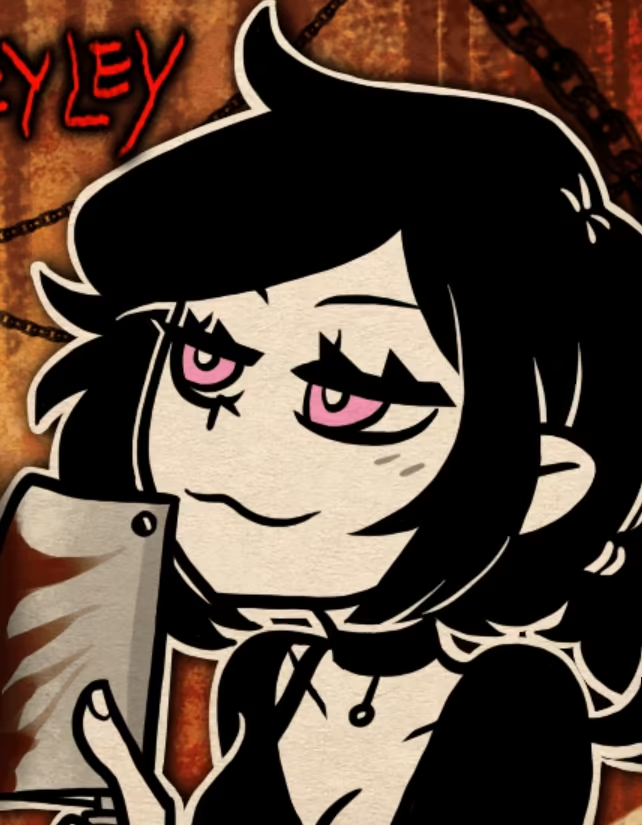
 01 / Exhibit note
A portrait of pressure
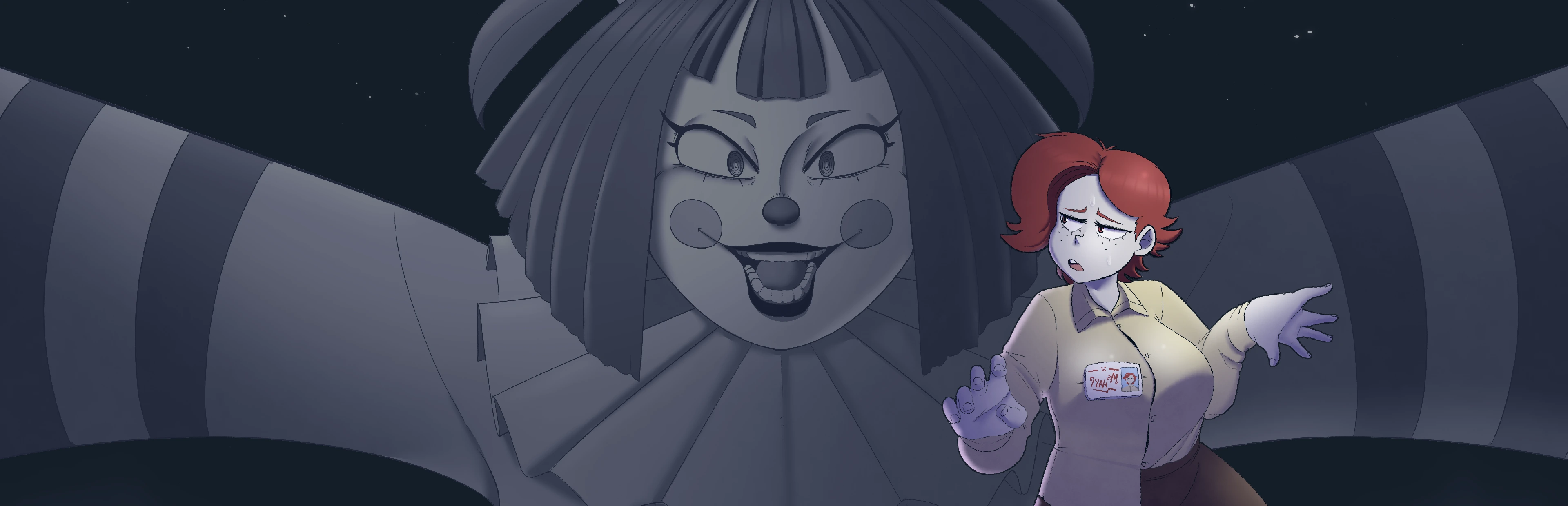
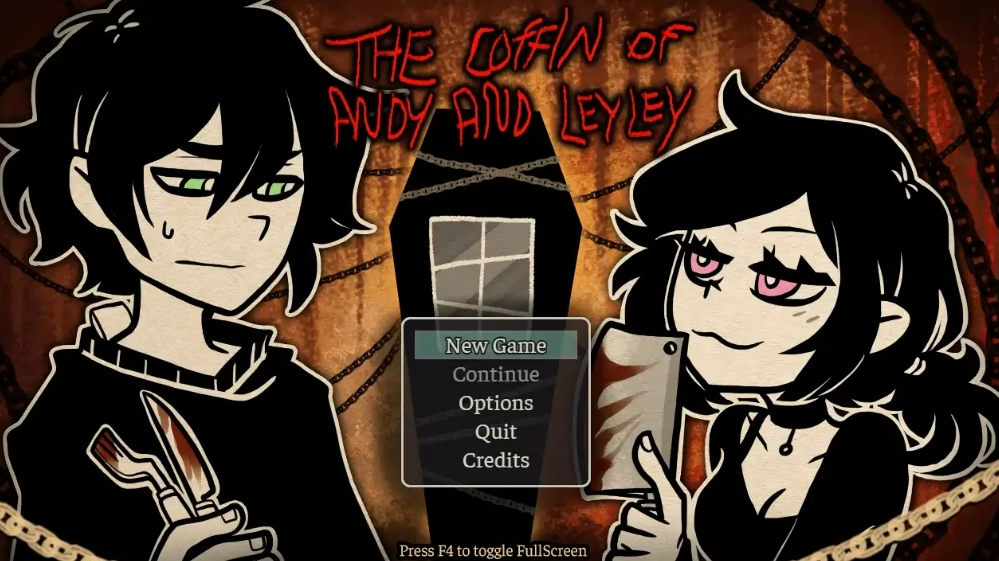
Ashley presents confidence as protection, but the cover also signals how quickly protection can become threat.
Free online / Psychological horror
Enter a locked sibling attraction where practical teamwork can solve the room while making the relationship harder to escape.









Restricted exhibit / 01
The Coffin of Andy and Leyley follows Andrew and Ashley through confinement, scarcity, violence, and choices that make practical survival inseparable from family history.
This Fun House edition treats the story as a two-person attraction built from rooms, objects, dialogue, and inherited roles. The guide focuses on how cooperation can solve the immediate puzzle while quietly increasing dependence.
01 / Exhibit noteAshley presents confidence as protection, but the cover also signals how quickly protection can become threat.
 02 / Exhibit note
Andrew and Ashley share the frame while interpreting loyalty, danger, and responsibility in incompatible ways.
 03 / Exhibit note
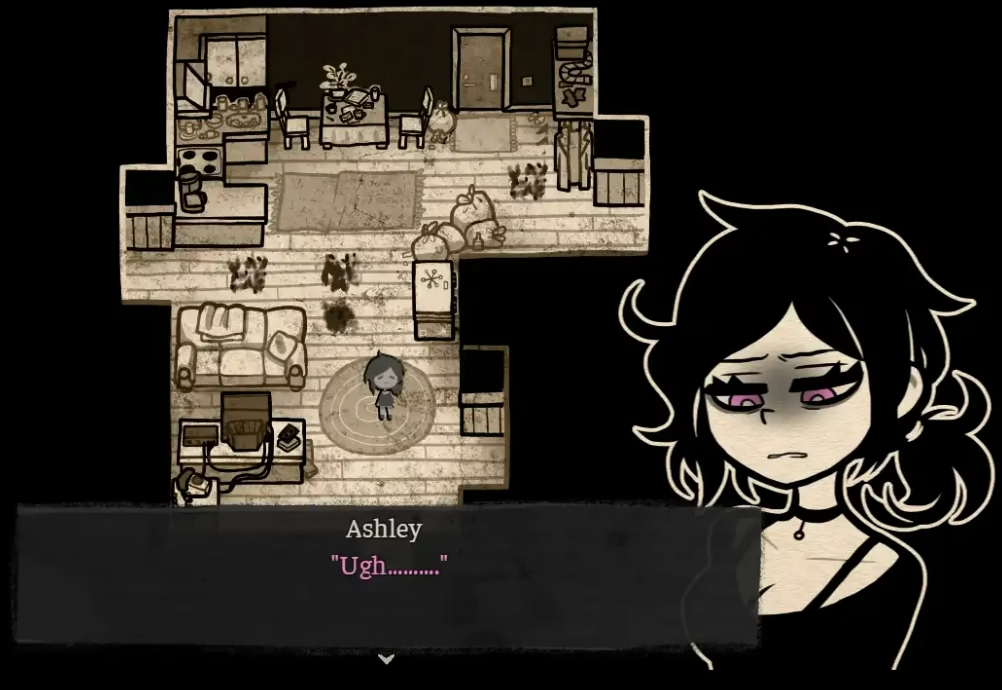
Rooms and ordinary objects record what the siblings have normalized before the route asks for another compromise.
Evidence gallery / 02
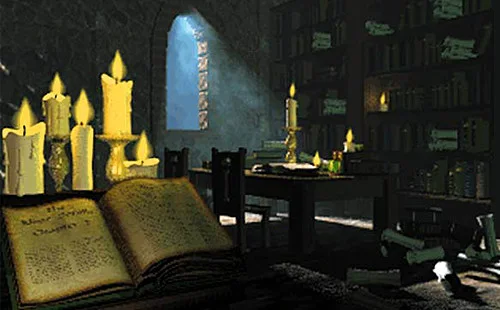
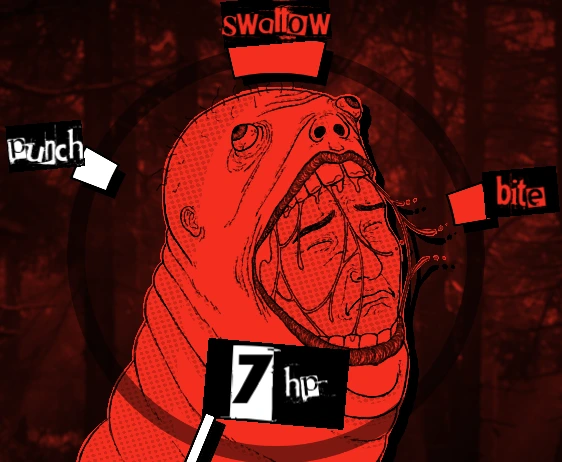
The local artwork moves from character identity to shared title and environmental pressure.
Screening tent / 03
Use the videos for interface and story context, then return to the browser player to make your own observations.
Exhibit guide / 04
The Coffin of Andy and Leyley builds its psychological horror around how Andrew and Ashley read the same emergency through different mixtures of fear, resentment, loyalty, and control. Andrew and Ashley are not difficult to understand because they lack history; they are difficult because history is everywhere. Familiar roles let them predict one another with frightening speed, yet the same familiarity makes it easy to treat an old obligation as permanent permission. Every practical crisis therefore has two layers. The siblings must survive the visible problem, and the player must decide what kind of relationship is being strengthened by the solution.
A useful way to inspect this attraction is to compare what each sibling says with the practical action that follows. The game mixes exploration, object use, environmental problems, and dialogue, so progress should not be measured only by opening the next door. Notice who proposes the action, who performs it, who receives protection, and who is later blamed for its cost. An efficient solution can still narrow a character's freedom. Conversely, resistance may look unhelpful in the moment while revealing that one sibling is trying to recover a boundary the other already considers negotiable.
Frankie's Fun House presents the story as a closed two-person exhibit whose machinery runs on familiarity. The bright ticket language of the surrounding site stays outside the frame, while the attraction itself grows cramped, grim, and emotionally circular. That contrast supports a deliberate reading: enjoy the fiction as horror, but do not accept the characters' explanations automatically. After a major scene, return to the first assumption that made the outcome appear inevitable. Replays become valuable when they expose how the route constructed consent, blame, loyalty, and dependency rather than merely replacing one final image with another.
The game builds its psychological horror around how closed rooms turn food, doors, furniture, silence, and unfinished routines into records of deteriorating safety. Andrew and Ashley are not difficult to understand because they lack history; they are difficult because history is everywhere. Familiar roles let them predict one another with frightening speed, yet the same familiarity makes it easy to treat an old obligation as permanent permission. Every practical crisis therefore has two layers. The siblings must survive the visible problem, and the player must decide what kind of relationship is being strengthened by the solution.
A useful way to inspect this attraction is to scan each space before collecting objects and note what the room says about daily survival. The game mixes exploration, object use, environmental problems, and dialogue, so progress should not be measured only by opening the next door. Notice who proposes the action, who performs it, who receives protection, and who is later blamed for its cost. An efficient solution can still narrow a character's freedom. Conversely, resistance may look unhelpful in the moment while revealing that one sibling is trying to recover a boundary the other already considers negotiable.
Frankie's Fun House presents the story as a closed two-person exhibit whose machinery runs on familiarity. The bright ticket language of the surrounding site stays outside the frame, while the attraction itself grows cramped, grim, and emotionally circular. That contrast supports a deliberate reading: enjoy the fiction as horror, but do not accept the characters' explanations automatically. After a major scene, return to the first assumption that made the outcome appear inevitable. Replays become valuable when they expose how the route constructed consent, blame, loyalty, and dependency rather than merely replacing one final image with another.
The game builds its psychological horror around why solving an immediate problem together does not make the relationship healthy or the next compromise harmless. Andrew and Ashley are not difficult to understand because they lack history; they are difficult because history is everywhere. Familiar roles let them predict one another with frightening speed, yet the same familiarity makes it easy to treat an old obligation as permanent permission. Every practical crisis therefore has two layers. The siblings must survive the visible problem, and the player must decide what kind of relationship is being strengthened by the solution.
A useful way to inspect this attraction is to judge cooperation by the future dependence it creates rather than the obstacle it removes. The game mixes exploration, object use, environmental problems, and dialogue, so progress should not be measured only by opening the next door. Notice who proposes the action, who performs it, who receives protection, and who is later blamed for its cost. An efficient solution can still narrow a character's freedom. Conversely, resistance may look unhelpful in the moment while revealing that one sibling is trying to recover a boundary the other already considers negotiable.
Frankie's Fun House presents the story as a closed two-person exhibit whose machinery runs on familiarity. The bright ticket language of the surrounding site stays outside the frame, while the attraction itself grows cramped, grim, and emotionally circular. That contrast supports a deliberate reading: enjoy the fiction as horror, but do not accept the characters' explanations automatically. After a major scene, return to the first assumption that made the outcome appear inevitable. Replays become valuable when they expose how the route constructed consent, blame, loyalty, and dependency rather than merely replacing one final image with another.
The game builds its psychological horror around how jokes, accusations, promises, and familiar nicknames can decide who must carry blame. Andrew and Ashley are not difficult to understand because they lack history; they are difficult because history is everywhere. Familiar roles let them predict one another with frightening speed, yet the same familiarity makes it easy to treat an old obligation as permanent permission. Every practical crisis therefore has two layers. The siblings must survive the visible problem, and the player must decide what kind of relationship is being strengthened by the solution.
A useful way to inspect this attraction is to track which speaker defines the problem and which person is allowed to refuse. The game mixes exploration, object use, environmental problems, and dialogue, so progress should not be measured only by opening the next door. Notice who proposes the action, who performs it, who receives protection, and who is later blamed for its cost. An efficient solution can still narrow a character's freedom. Conversely, resistance may look unhelpful in the moment while revealing that one sibling is trying to recover a boundary the other already considers negotiable.
Frankie's Fun House presents the story as a closed two-person exhibit whose machinery runs on familiarity. The bright ticket language of the surrounding site stays outside the frame, while the attraction itself grows cramped, grim, and emotionally circular. That contrast supports a deliberate reading: enjoy the fiction as horror, but do not accept the characters' explanations automatically. After a major scene, return to the first assumption that made the outcome appear inevitable. Replays become valuable when they expose how the route constructed consent, blame, loyalty, and dependency rather than merely replacing one final image with another.
The game builds its psychological horror around why an ordinary tool can become part of a choice that cannot be separated from violence or concealment. Andrew and Ashley are not difficult to understand because they lack history; they are difficult because history is everywhere. Familiar roles let them predict one another with frightening speed, yet the same familiarity makes it easy to treat an old obligation as permanent permission. Every practical crisis therefore has two layers. The siblings must survive the visible problem, and the player must decide what kind of relationship is being strengthened by the solution.
A useful way to inspect this attraction is to remember where an object came from and what assumption made its use seem necessary. The game mixes exploration, object use, environmental problems, and dialogue, so progress should not be measured only by opening the next door. Notice who proposes the action, who performs it, who receives protection, and who is later blamed for its cost. An efficient solution can still narrow a character's freedom. Conversely, resistance may look unhelpful in the moment while revealing that one sibling is trying to recover a boundary the other already considers negotiable.
Frankie's Fun House presents the story as a closed two-person exhibit whose machinery runs on familiarity. The bright ticket language of the surrounding site stays outside the frame, while the attraction itself grows cramped, grim, and emotionally circular. That contrast supports a deliberate reading: enjoy the fiction as horror, but do not accept the characters' explanations automatically. After a major scene, return to the first assumption that made the outcome appear inevitable. Replays become valuable when they expose how the route constructed consent, blame, loyalty, and dependency rather than merely replacing one final image with another.
The game builds its psychological horror around how earlier roles return whenever the siblings need an explanation for current behavior. Andrew and Ashley are not difficult to understand because they lack history; they are difficult because history is everywhere. Familiar roles let them predict one another with frightening speed, yet the same familiarity makes it easy to treat an old obligation as permanent permission. Every practical crisis therefore has two layers. The siblings must survive the visible problem, and the player must decide what kind of relationship is being strengthened by the solution.
A useful way to inspect this attraction is to separate a remembered story from the boundary being negotiated now. The game mixes exploration, object use, environmental problems, and dialogue, so progress should not be measured only by opening the next door. Notice who proposes the action, who performs it, who receives protection, and who is later blamed for its cost. An efficient solution can still narrow a character's freedom. Conversely, resistance may look unhelpful in the moment while revealing that one sibling is trying to recover a boundary the other already considers negotiable.
Frankie's Fun House presents the story as a closed two-person exhibit whose machinery runs on familiarity. The bright ticket language of the surrounding site stays outside the frame, while the attraction itself grows cramped, grim, and emotionally circular. That contrast supports a deliberate reading: enjoy the fiction as horror, but do not accept the characters' explanations automatically. After a major scene, return to the first assumption that made the outcome appear inevitable. Replays become valuable when they expose how the route constructed consent, blame, loyalty, and dependency rather than merely replacing one final image with another.
The game builds its psychological horror around why later knowledge changes the meaning of an early gesture without making every interpretation identical. Andrew and Ashley are not difficult to understand because they lack history; they are difficult because history is everywhere. Familiar roles let them predict one another with frightening speed, yet the same familiarity makes it easy to treat an old obligation as permanent permission. Every practical crisis therefore has two layers. The siblings must survive the visible problem, and the player must decide what kind of relationship is being strengthened by the solution.
A useful way to inspect this attraction is to follow one promise or threat across the route instead of rushing only toward a different ending. The game mixes exploration, object use, environmental problems, and dialogue, so progress should not be measured only by opening the next door. Notice who proposes the action, who performs it, who receives protection, and who is later blamed for its cost. An efficient solution can still narrow a character's freedom. Conversely, resistance may look unhelpful in the moment while revealing that one sibling is trying to recover a boundary the other already considers negotiable.
Frankie's Fun House presents the story as a closed two-person exhibit whose machinery runs on familiarity. The bright ticket language of the surrounding site stays outside the frame, while the attraction itself grows cramped, grim, and emotionally circular. That contrast supports a deliberate reading: enjoy the fiction as horror, but do not accept the characters' explanations automatically. After a major scene, return to the first assumption that made the outcome appear inevitable. Replays become valuable when they expose how the route constructed consent, blame, loyalty, and dependency rather than merely replacing one final image with another.
The game builds its psychological horror around how fullscreen, audio, iframe focus, save storage, and breaks affect a long session with disturbing themes. Andrew and Ashley are not difficult to understand because they lack history; they are difficult because history is everywhere. Familiar roles let them predict one another with frightening speed, yet the same familiarity makes it easy to treat an old obligation as permanent permission. Every practical crisis therefore has two layers. The siblings must survive the visible problem, and the player must decide what kind of relationship is being strengthened by the solution.
A useful way to inspect this attraction is to keep the display readable and pause when emotional pressure begins replacing attentive interpretation. The game mixes exploration, object use, environmental problems, and dialogue, so progress should not be measured only by opening the next door. Notice who proposes the action, who performs it, who receives protection, and who is later blamed for its cost. An efficient solution can still narrow a character's freedom. Conversely, resistance may look unhelpful in the moment while revealing that one sibling is trying to recover a boundary the other already considers negotiable.
Frankie's Fun House presents the story as a closed two-person exhibit whose machinery runs on familiarity. The bright ticket language of the surrounding site stays outside the frame, while the attraction itself grows cramped, grim, and emotionally circular. That contrast supports a deliberate reading: enjoy the fiction as horror, but do not accept the characters' explanations automatically. After a major scene, return to the first assumption that made the outcome appear inevitable. Replays become valuable when they expose how the route constructed consent, blame, loyalty, and dependency rather than merely replacing one final image with another.
Questions and answers / 05
Practical answers about gameplay, exploration, replay, browser loading, mobile use, and mature content.
It is a story-rich psychological horror adventure about siblings Andrew and Ashley surviving confinement while their dependence, resentment, and criminal choices become increasingly destructive.
Yes. Press the launch button to load the embedded browser edition without installing a separate application first.
Players explore rooms, collect and use objects, solve environmental problems, read dialogue, and follow decisions that reveal how the siblings assign loyalty and blame.
No. Story and dialogue are central, but the experience also includes movement, room exploration, inventory use, and situational puzzle solving.
Their wording often changes who owns a decision, who may refuse, and whether practical cooperation becomes another form of control.
Yes. Later context can change the meaning of earlier promises, jokes, accusations, objects, and route choices, making a focused replay useful.
A current mobile browser may load it, but desktop fullscreen usually provides clearer room details, dialogue, and more reliable controls.
Wait for remote assets, click inside the iframe, refresh once, and check extensions or networks that block scripts and embedded games.
No. It contains violence, death, coercive family dynamics, criminal behavior, cannibalism references, disturbing imagery, and mature psychological themes.