 01 / Booth note
Three seconds make a complete duel
Observe a tiny sound window becomes an arcade contest with visible momentum, then connect the response to the sound and decision that produced it.

Microphone arcade / Three-second duel
Cluck, speak, or hold a safe sound for three seconds and watch a live battle bar turn microphone level into a ridiculous chicken showdown.














New attraction / 01
Cluck Battle asks the microphone to do real mechanical work. Permission, calibration, room noise, and timing therefore matter as much as the visible objective.
This Fun House guide keeps the game first, follows it with local evidence, and develops a safe repeatable method. Videos remain empty until accurate links are supplied.
01 / Booth noteObserve a tiny sound window becomes an arcade contest with visible momentum, then connect the response to the sound and decision that produced it.
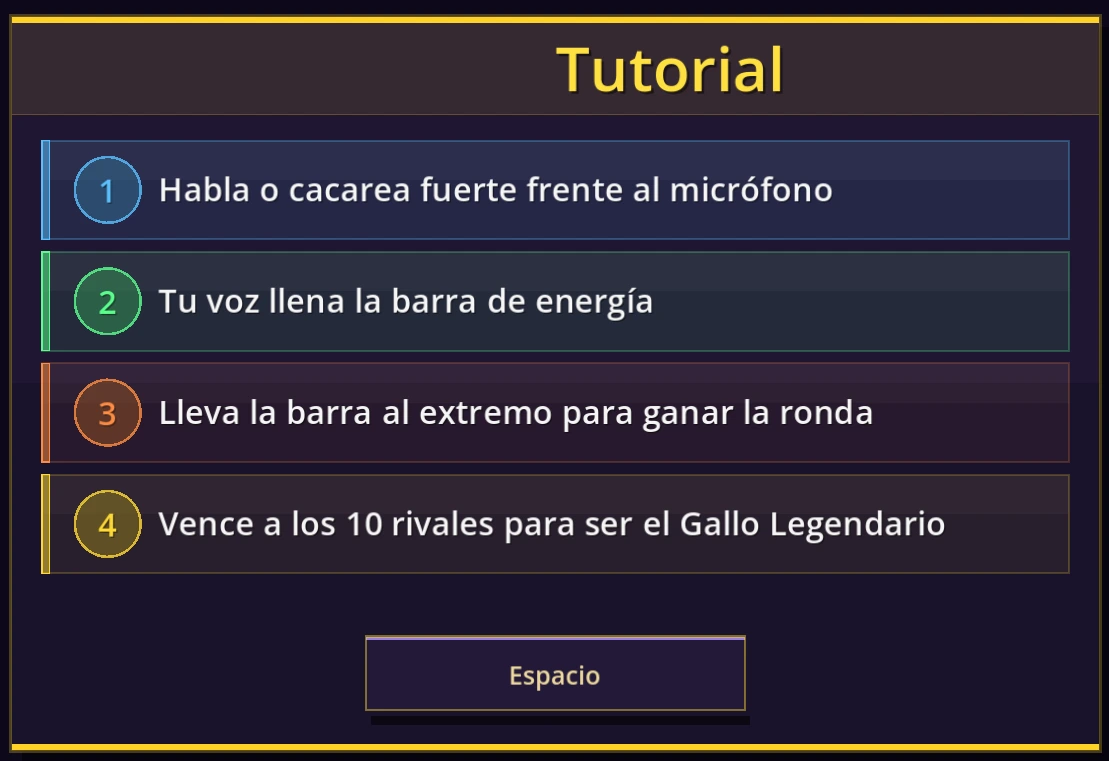 02 / Booth note
Observe spikes, gaps, and sustained sound appear immediately instead of hiding behind a final result, then connect the response to the sound and decision that produced it.
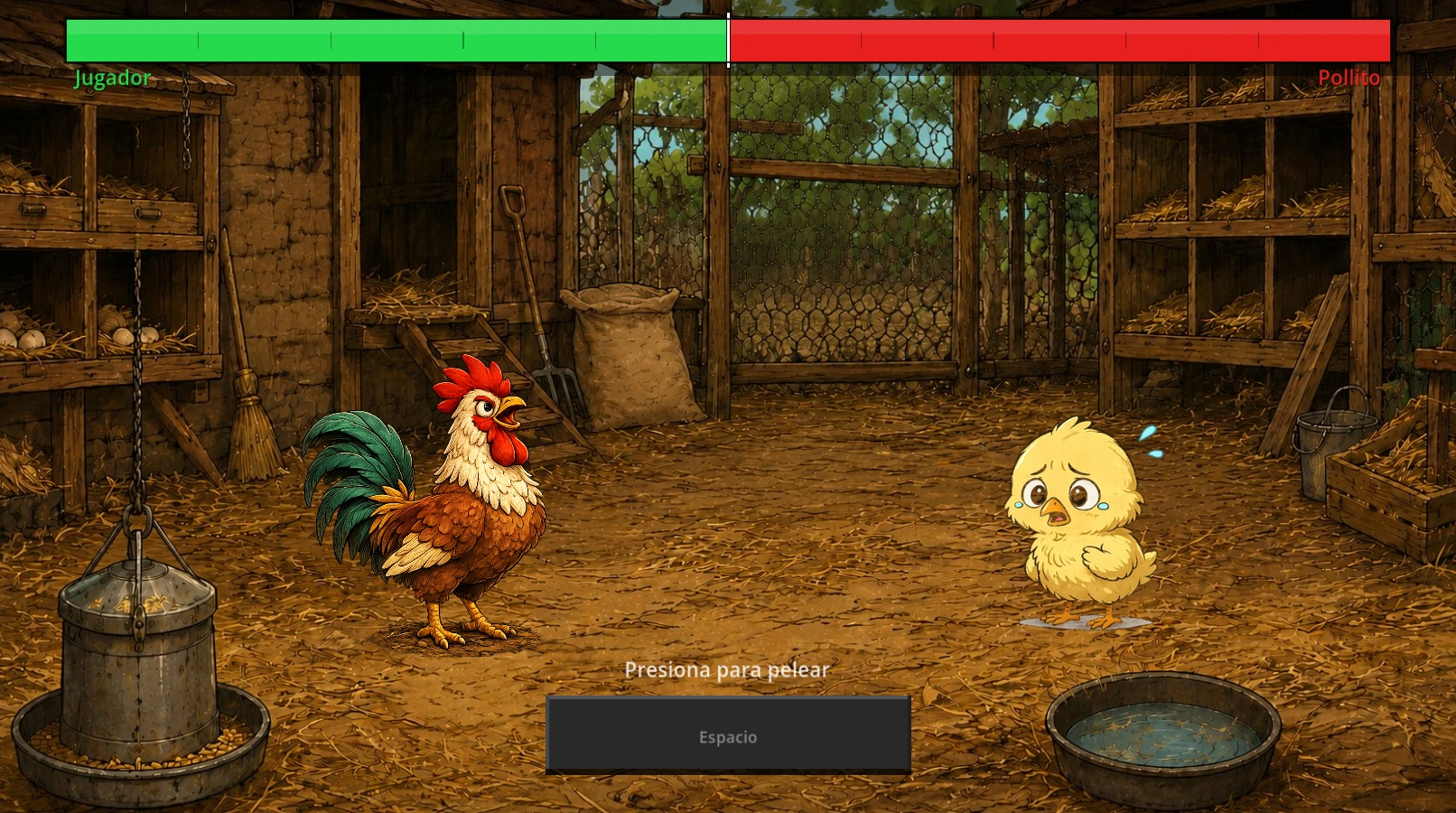 03 / Booth note
Observe distance and gain can improve the signal without turning play into painful shouting, then connect the response to the sound and decision that produced it.
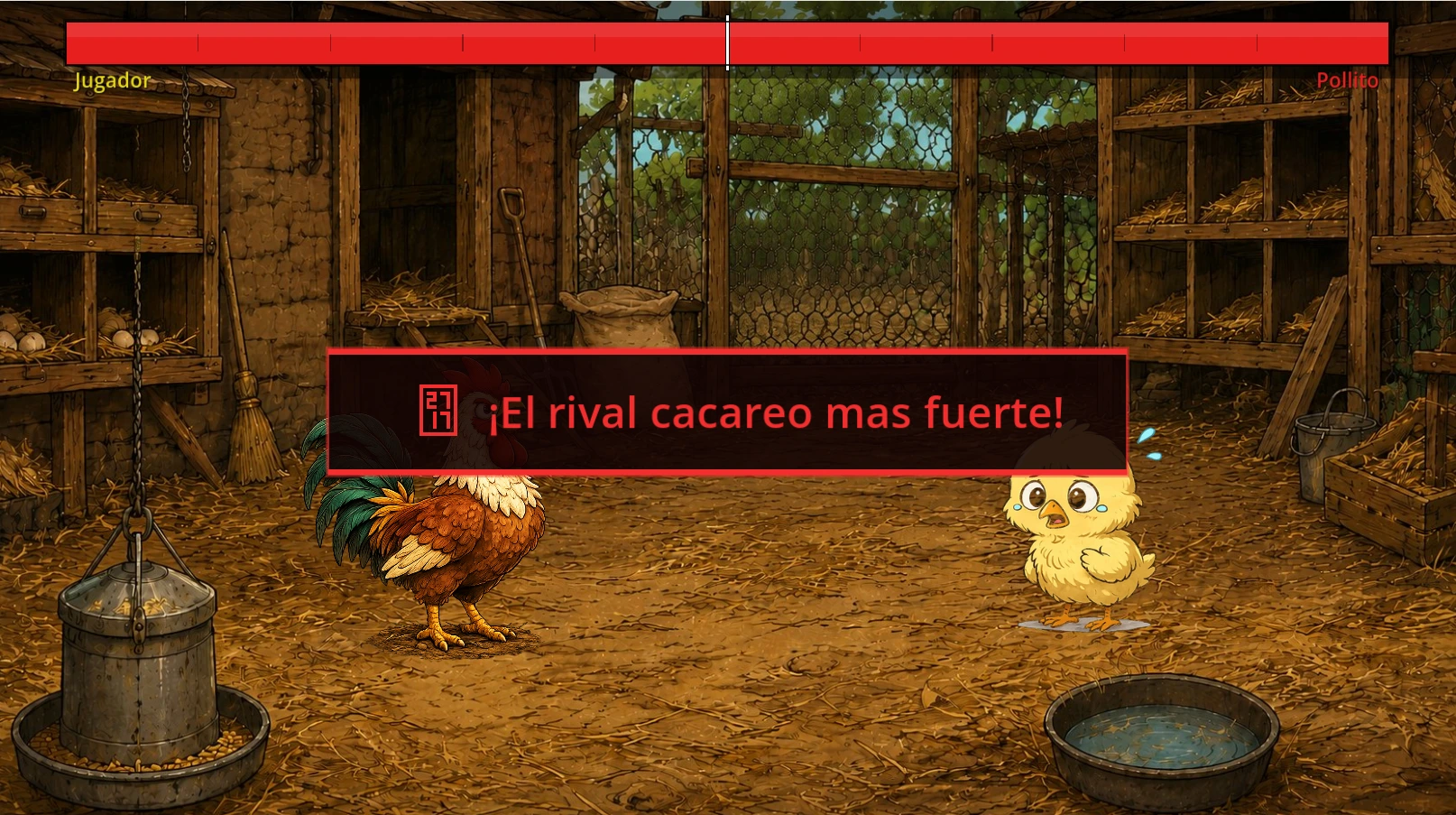 04 / Booth note
Observe an escalating chicken ladder gives a simple mechanic comic progress, then connect the response to the sound and decision that produced it.
Attraction gallery / 02
Local screenshots preserve the interface, characters, and feedback needed to understand each run.
Operator handbook / 03
Cluck Battle builds its challenge around a tiny sound window becomes an arcade contest with visible momentum. The first run should feel like opening an unfamiliar midway machine, not sitting an exam. Identify what the interface measures, how quickly it reacts, and which display confirms success before chasing a score. Sound is the control, but setup decides whether that control is readable. A stable device, a quiet room, and a comfortable performance create better evidence than one frantic result that cannot be explained or safely repeated. Give the game time to establish a baseline before changing distance, pitch, volume, or team instructions.
The booth operator's practical rule is to start with comfortable speech and watch whether the bar holds across the whole round. Keep every other condition steady while testing that adjustment, and repeat a good outcome before adding another change. After a failure, look for the earliest mismatch between the plan and the visible response instead of staring only at the final crash or defeat. This converts a short run into useful rehearsal. It also prevents players from becoming louder whenever the real problem is calibration, speaker feedback, uncertain timing, breath noise, or two people sending conflicting instructions through one microphone. Better diagnosis usually produces cleaner control with less effort.
Frankie's Fun House presents the game as a live attraction where comedy and precision share a stage. The lights invite exaggeration, yet the mechanism rewards clarity. Use headphones, hold the microphone at a consistent angle, and agree before recording or sharing anyone's voice. Rest between repeated attempts and never make discomfort part of the challenge. Once an opening routine becomes dependable, preserve it like a successful show cue and experiment only with the unfamiliar section. Improvement remains visible without removing the surprise that makes a voice-controlled browser game worth replaying with another crew or performer.
This microphone attraction builds its challenge around spikes, gaps, and sustained sound appear immediately instead of hiding behind a final result. The first run should feel like opening an unfamiliar midway machine, not sitting an exam. Identify what the interface measures, how quickly it reacts, and which display confirms success before chasing a score. Sound is the control, but setup decides whether that control is readable. A stable device, a quiet room, and a comfortable performance create better evidence than one frantic result that cannot be explained or safely repeated. Give the game time to establish a baseline before changing distance, pitch, volume, or team instructions.
The booth operator's practical rule is to compare a steady tone with repeated clucks while leaving gain and distance unchanged. Keep every other condition steady while testing that adjustment, and repeat a good outcome before adding another change. After a failure, look for the earliest mismatch between the plan and the visible response instead of staring only at the final crash or defeat. This converts a short run into useful rehearsal. It also prevents players from becoming louder whenever the real problem is calibration, speaker feedback, uncertain timing, breath noise, or two people sending conflicting instructions through one microphone. Better diagnosis usually produces cleaner control with less effort.
Frankie's Fun House presents the game as a live attraction where comedy and precision share a stage. The lights invite exaggeration, yet the mechanism rewards clarity. Use headphones, hold the microphone at a consistent angle, and agree before recording or sharing anyone's voice. Rest between repeated attempts and never make discomfort part of the challenge. Once an opening routine becomes dependable, preserve it like a successful show cue and experiment only with the unfamiliar section. Improvement remains visible without removing the surprise that makes a voice-controlled browser game worth replaying with another crew or performer.
This microphone attraction builds its challenge around distance and gain can improve the signal without turning play into painful shouting. The first run should feel like opening an unfamiliar midway machine, not sitting an exam. Identify what the interface measures, how quickly it reacts, and which display confirms success before chasing a score. Sound is the control, but setup decides whether that control is readable. A stable device, a quiet room, and a comfortable performance create better evidence than one frantic result that cannot be explained or safely repeated. Give the game time to establish a baseline before changing distance, pitch, volume, or team instructions.
The booth operator's practical rule is to bring the device closer, angle it away from breath, and lower gain if normal speech clips. Keep every other condition steady while testing that adjustment, and repeat a good outcome before adding another change. After a failure, look for the earliest mismatch between the plan and the visible response instead of staring only at the final crash or defeat. This converts a short run into useful rehearsal. It also prevents players from becoming louder whenever the real problem is calibration, speaker feedback, uncertain timing, breath noise, or two people sending conflicting instructions through one microphone. Better diagnosis usually produces cleaner control with less effort.
Frankie's Fun House presents the game as a live attraction where comedy and precision share a stage. The lights invite exaggeration, yet the mechanism rewards clarity. Use headphones, hold the microphone at a consistent angle, and agree before recording or sharing anyone's voice. Rest between repeated attempts and never make discomfort part of the challenge. Once an opening routine becomes dependable, preserve it like a successful show cue and experiment only with the unfamiliar section. Improvement remains visible without removing the surprise that makes a voice-controlled browser game worth replaying with another crew or performer.
This microphone attraction builds its challenge around an escalating chicken ladder gives a simple mechanic comic progress. The first run should feel like opening an unfamiliar midway machine, not sitting an exam. Identify what the interface measures, how quickly it reacts, and which display confirms success before chasing a score. Sound is the control, but setup decides whether that control is readable. A stable device, a quiet room, and a comfortable performance create better evidence than one frantic result that cannot be explained or safely repeated. Give the game time to establish a baseline before changing distance, pitch, volume, or team instructions.
The booth operator's practical rule is to treat an unlock as a character milestone rather than proof that unsafe volume is required. Keep every other condition steady while testing that adjustment, and repeat a good outcome before adding another change. After a failure, look for the earliest mismatch between the plan and the visible response instead of staring only at the final crash or defeat. This converts a short run into useful rehearsal. It also prevents players from becoming louder whenever the real problem is calibration, speaker feedback, uncertain timing, breath noise, or two people sending conflicting instructions through one microphone. Better diagnosis usually produces cleaner control with less effort.
Frankie's Fun House presents the game as a live attraction where comedy and precision share a stage. The lights invite exaggeration, yet the mechanism rewards clarity. Use headphones, hold the microphone at a consistent angle, and agree before recording or sharing anyone's voice. Rest between repeated attempts and never make discomfort part of the challenge. Once an opening routine becomes dependable, preserve it like a successful show cue and experiment only with the unfamiliar section. Improvement remains visible without removing the surprise that makes a voice-controlled browser game worth replaying with another crew or performer.
This microphone attraction builds its challenge around competition becomes unfair when participants change microphone position or sensitivity. The first run should feel like opening an unfamiliar midway machine, not sitting an exam. Identify what the interface measures, how quickly it reacts, and which display confirms success before chasing a score. Sound is the control, but setup decides whether that control is readable. A stable device, a quiet room, and a comfortable performance create better evidence than one frantic result that cannot be explained or safely repeated. Give the game time to establish a baseline before changing distance, pitch, volume, or team instructions.
The booth operator's practical rule is to fix the hardware, allow one warm-up, and give everyone the same attempts. Keep every other condition steady while testing that adjustment, and repeat a good outcome before adding another change. After a failure, look for the earliest mismatch between the plan and the visible response instead of staring only at the final crash or defeat. This converts a short run into useful rehearsal. It also prevents players from becoming louder whenever the real problem is calibration, speaker feedback, uncertain timing, breath noise, or two people sending conflicting instructions through one microphone. Better diagnosis usually produces cleaner control with less effort.
Frankie's Fun House presents the game as a live attraction where comedy and precision share a stage. The lights invite exaggeration, yet the mechanism rewards clarity. Use headphones, hold the microphone at a consistent angle, and agree before recording or sharing anyone's voice. Rest between repeated attempts and never make discomfort part of the challenge. Once an opening routine becomes dependable, preserve it like a successful show cue and experiment only with the unfamiliar section. Improvement remains visible without removing the surprise that makes a voice-controlled browser game worth replaying with another crew or performer.
This microphone attraction builds its challenge around maximum input can flatten useful differences and reduce consistency. The first run should feel like opening an unfamiliar midway machine, not sitting an exam. Identify what the interface measures, how quickly it reacts, and which display confirms success before chasing a score. Sound is the control, but setup decides whether that control is readable. A stable device, a quiet room, and a comfortable performance create better evidence than one frantic result that cannot be explained or safely repeated. Give the game time to establish a baseline before changing distance, pitch, volume, or team instructions.
The booth operator's practical rule is to reduce gain and pursue a stable meter instead of celebrating one isolated spike. Keep every other condition steady while testing that adjustment, and repeat a good outcome before adding another change. After a failure, look for the earliest mismatch between the plan and the visible response instead of staring only at the final crash or defeat. This converts a short run into useful rehearsal. It also prevents players from becoming louder whenever the real problem is calibration, speaker feedback, uncertain timing, breath noise, or two people sending conflicting instructions through one microphone. Better diagnosis usually produces cleaner control with less effort.
Frankie's Fun House presents the game as a live attraction where comedy and precision share a stage. The lights invite exaggeration, yet the mechanism rewards clarity. Use headphones, hold the microphone at a consistent angle, and agree before recording or sharing anyone's voice. Rest between repeated attempts and never make discomfort part of the challenge. Once an opening routine becomes dependable, preserve it like a successful show cue and experiment only with the unfamiliar section. Improvement remains visible without removing the surprise that makes a voice-controlled browser game worth replaying with another crew or performer.
This microphone attraction builds its challenge around room noise and speaker feedback may influence a round before the player finishes. The first run should feel like opening an unfamiliar midway machine, not sitting an exam. Identify what the interface measures, how quickly it reacts, and which display confirms success before chasing a score. Sound is the control, but setup decides whether that control is readable. A stable device, a quiet room, and a comfortable performance create better evidence than one frantic result that cannot be explained or safely repeated. Give the game time to establish a baseline before changing distance, pitch, volume, or team instructions.
The booth operator's practical rule is to use headphones and keep the audience quiet until measurement closes. Keep every other condition steady while testing that adjustment, and repeat a good outcome before adding another change. After a failure, look for the earliest mismatch between the plan and the visible response instead of staring only at the final crash or defeat. This converts a short run into useful rehearsal. It also prevents players from becoming louder whenever the real problem is calibration, speaker feedback, uncertain timing, breath noise, or two people sending conflicting instructions through one microphone. Better diagnosis usually produces cleaner control with less effort.
Frankie's Fun House presents the game as a live attraction where comedy and precision share a stage. The lights invite exaggeration, yet the mechanism rewards clarity. Use headphones, hold the microphone at a consistent angle, and agree before recording or sharing anyone's voice. Rest between repeated attempts and never make discomfort part of the challenge. Once an opening routine becomes dependable, preserve it like a successful show cue and experiment only with the unfamiliar section. Improvement remains visible without removing the surprise that makes a voice-controlled browser game worth replaying with another crew or performer.
This microphone attraction builds its challenge around short rounds invite humorous phrases and consistency goals beyond raw loudness. The first run should feel like opening an unfamiliar midway machine, not sitting an exam. Identify what the interface measures, how quickly it reacts, and which display confirms success before chasing a score. Sound is the control, but setup decides whether that control is readable. A stable device, a quiet room, and a comfortable performance create better evidence than one frantic result that cannot be explained or safely repeated. Give the game time to establish a baseline before changing distance, pitch, volume, or team instructions.
The booth operator's practical rule is to reward safe style and repeatability so another run remains fun. Keep every other condition steady while testing that adjustment, and repeat a good outcome before adding another change. After a failure, look for the earliest mismatch between the plan and the visible response instead of staring only at the final crash or defeat. This converts a short run into useful rehearsal. It also prevents players from becoming louder whenever the real problem is calibration, speaker feedback, uncertain timing, breath noise, or two people sending conflicting instructions through one microphone. Better diagnosis usually produces cleaner control with less effort.
Frankie's Fun House presents the game as a live attraction where comedy and precision share a stage. The lights invite exaggeration, yet the mechanism rewards clarity. Use headphones, hold the microphone at a consistent angle, and agree before recording or sharing anyone's voice. Rest between repeated attempts and never make discomfort part of the challenge. Once an opening routine becomes dependable, preserve it like a successful show cue and experiment only with the unfamiliar section. Improvement remains visible without removing the surprise that makes a voice-controlled browser game worth replaying with another crew or performer.
Questions and answers / 04
Browser access, safe input, cooperative setup, troubleshooting, mobile play, and video availability.
Yes. Launch the embedded browser game and allow microphone access.
Microphone level during the three-second round moves the contest; no specific word is required.
No. Clucking fits the joke, but comfortable speech or a sustained sound can work.
No. Adjust distance and gain, use a sustainable voice, and stop if you feel strain.
Confirm browser and system permission, select the microphone, close audio apps, and reload once.
Yes. Short rounds support pass-and-play with consistent settings and attempt limits.
It may work in a current mobile browser, although microphone behavior varies.
Not yet. Accurate videos can be added later without changing the playable page.
No. It is an independent portal with original setup and replay guidance.