Optional page-only checklist. Not connected to the game; resets on reload.
0 of 4 preparation items checked. You can play at any time.
A small story between attractions
An intermission built around reading
Visitors to Frankie's Fun House may expect rooms, objects, and a puzzle that opens the next door. Best Friends for Dinner offers a different kind of attraction: a brief kinetic visual novel by Demonward. Donna and the wolf Oz are its central characters. With roughly one thousand words and an estimated duration of five minutes, it is better approached as a compact story than as another escape room. The change of format is part of choosing the right experience.
Kinetic means the narrative is linear. This page does not offer a solution chart because there is no verified branching route system to map. Rather than search for a concealed inventory item, give the writing a chance to determine your pace and expectations. You can still engage actively by noticing presentation, reconsidering an impression, and reflecting afterward. Attention is meaningful participation even when the reader is not selecting the direction of the plot.
Check the content before taking a seat
The supplied content warnings cover implied violence, poisoning, exclusion, and black humor. These themes make the work a poor choice for someone seeking an entirely comforting social story. They are not an exhaustive scene description, and this guide intentionally avoids reconstructing the ending. Read the warnings as help with making a decision, not as a dare to continue. Choosing a different game is a valid response to material you do not want tonight.
Short horror can be concentrated. A five minute estimate does not guarantee a mild emotional effect, just as a longer playtime does not automatically mean greater intensity. Consider whether you are comfortable encountering hostility within an interpersonal setting, especially alongside comedy. If you are sharing a screen, tell the other viewer about the themes first. Do not surprise someone with unsettling material merely because the title sounds like an invitation to a pleasant dinner.
Prepare the space rather than a strategy
A small amount of setup can improve a short reading session more than a long list of supposed gameplay tricks. Find a screen position where text is comfortable to read, keep a stable connection, and avoid starting just before you need to leave. There is no score for finishing within the advertised estimate. If you pause to think, the extra time belongs to your experience rather than counting as a failed attempt.
The screening checklist on this page helps with that preparation. Its checkboxes are ordinary website controls, not signals sent into the story. They do not record achievements, modify Donna or Oz, or preserve game progress. A page refresh resets the checklist. Use it to confirm your own readiness and to remember the distinction between an official desktop release and this browser presentation. It remains optional, with no requirement to complete every item before pressing play.
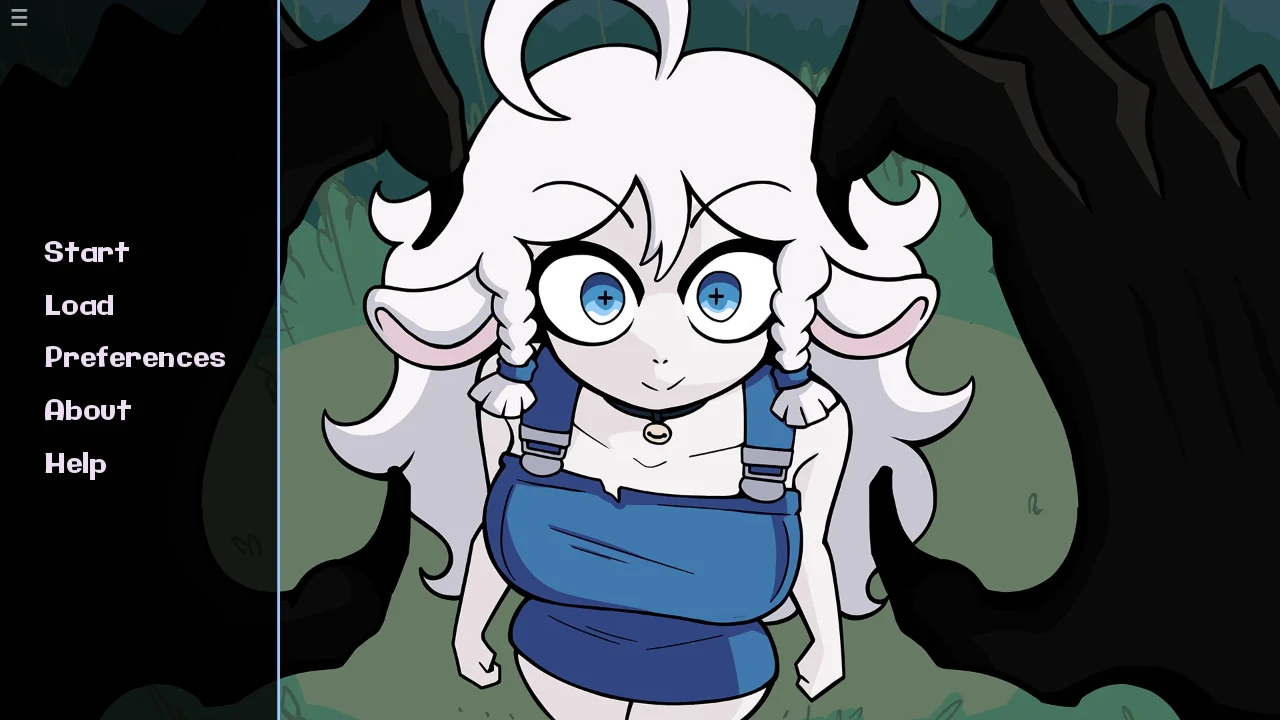
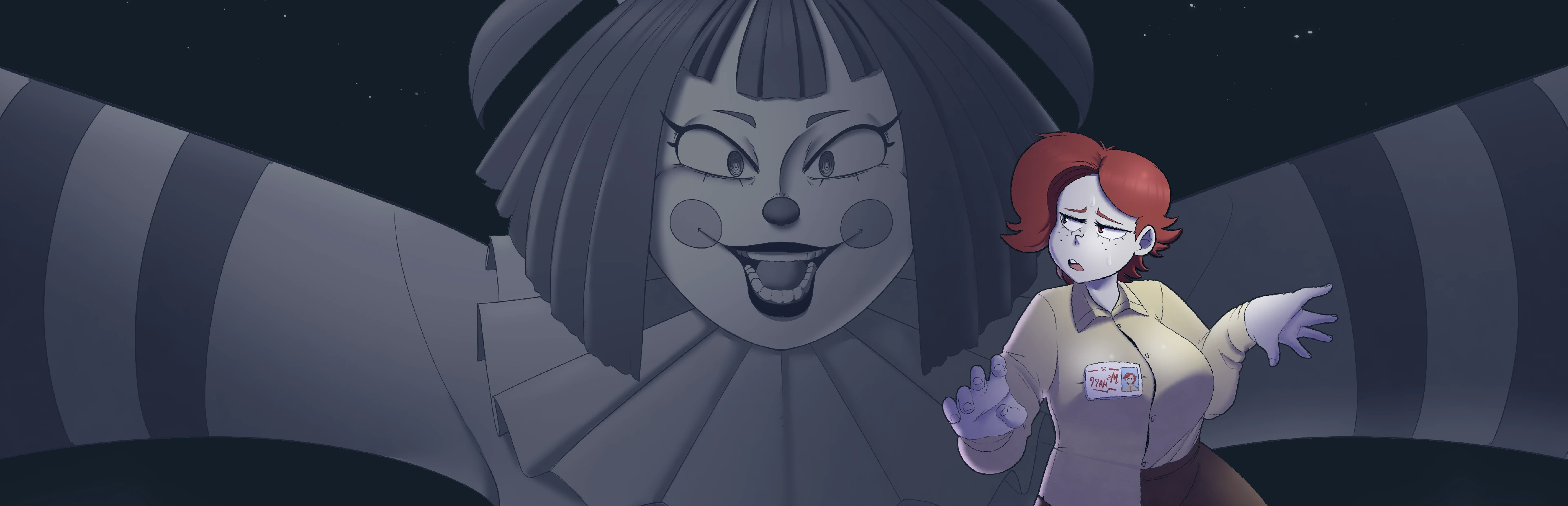
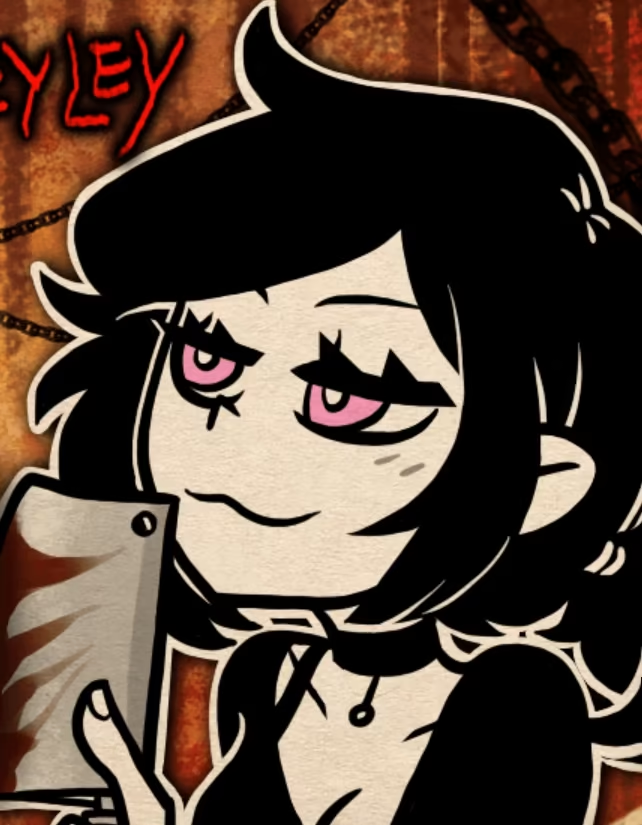
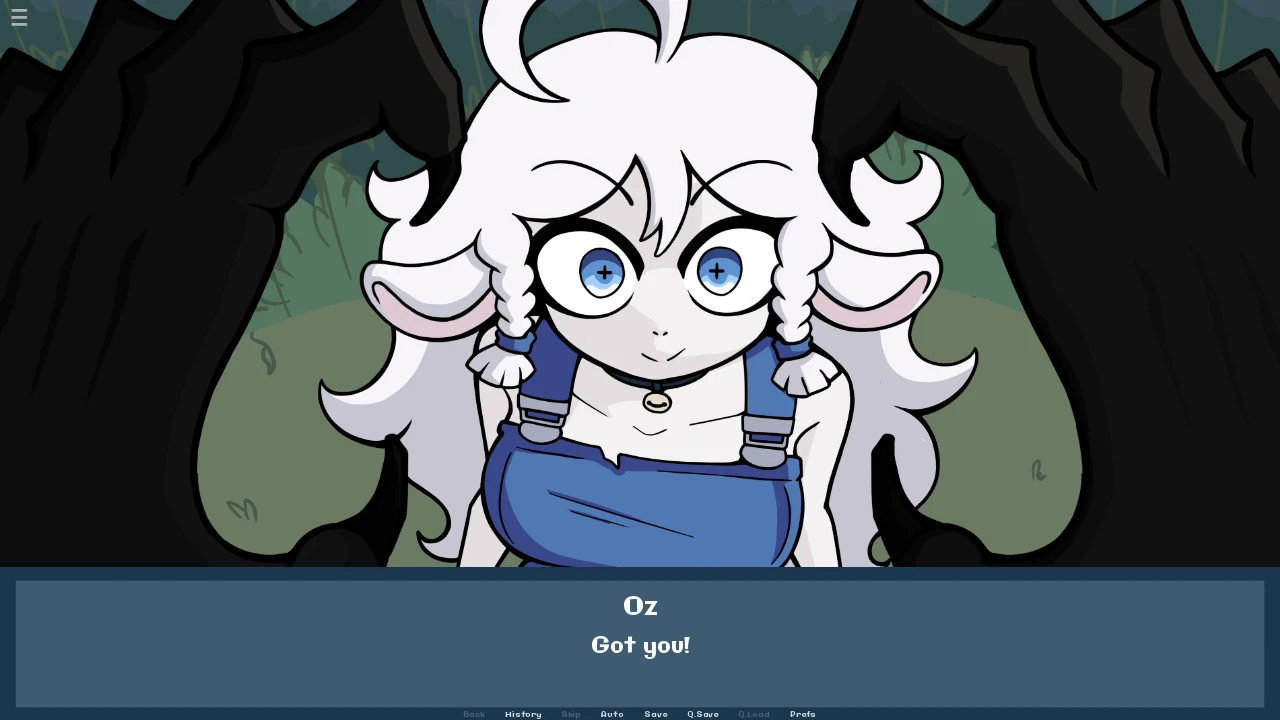
Donna is the only character shown. The dialogue box identifies Oz as the speaker of Got you!; no Oz portrait or story-choice menu is visible.
Observe a relationship instead of searching a room
In an exploration game, uncertainty often suggests that an object has not yet been examined. In a short visual novel, uncertainty may instead be an intended part of encountering another character. Notice what Donna and Oz actually communicate before assuming that the text is withholding a mechanical answer. The supplied description identifies Oz as a wolf, but that fact alone does not explain every motive or establish the outcome of the story.
A useful approach is to keep your interpretation provisional. If a statement sounds friendly at first, allow later context to challenge that impression. If something feels threatening, distinguish your reaction from a fact explicitly established by the narrative. This does not require laborious note taking during a five minute piece. It simply means giving the story room to change how you understand a relationship rather than insisting that your first guess must be correct.
Think about hospitality and exclusion
The dinner framing provides a useful question for a spoiler-light reading: what does it mean to be welcomed? The known theme of exclusion makes that question relevant without requiring this guide to invent a particular invitation, seating arrangement, or scene. A title can establish social expectations that the reader carries into the opening moments. Watch how the actual work supports or unsettles those expectations, and resist filling gaps with an imagined version of the plot.
Afterward, distinguish the general theme from your personal interpretation of it. You can discuss the difference between friendly language and felt belonging without claiming that the author has issued a single moral lesson. A concise story may leave some motives unresolved. That is different from a missing quest objective. The page offers a reading framework, not a definitive explanation of every symbol or a guarantee that all readers will come away with the same assessment.
Notice the timing of dark humor
Black humor can depend on the distance between an ordinary social situation and an alarming implication. The known themes of poisoning and implied violence tell you something about the material, but not precisely how each moment is presented. Let the sequence unfold before deciding whether a particular beat is comic, threatening, or both. Trying to anticipate every shock can turn a short work into a checklist of guesses rather than a coherent first encounter.
If you return to it, examine timing rather than hunting for a different ending. Ask whether a pause, an earlier assumption, or a change in context affected how a line landed. Your reaction may change even when the text does not. That is a genuine reason to reread a linear piece. It does not establish a secret mode, an alternate route, or any other feature that has not been verified for the actual work.
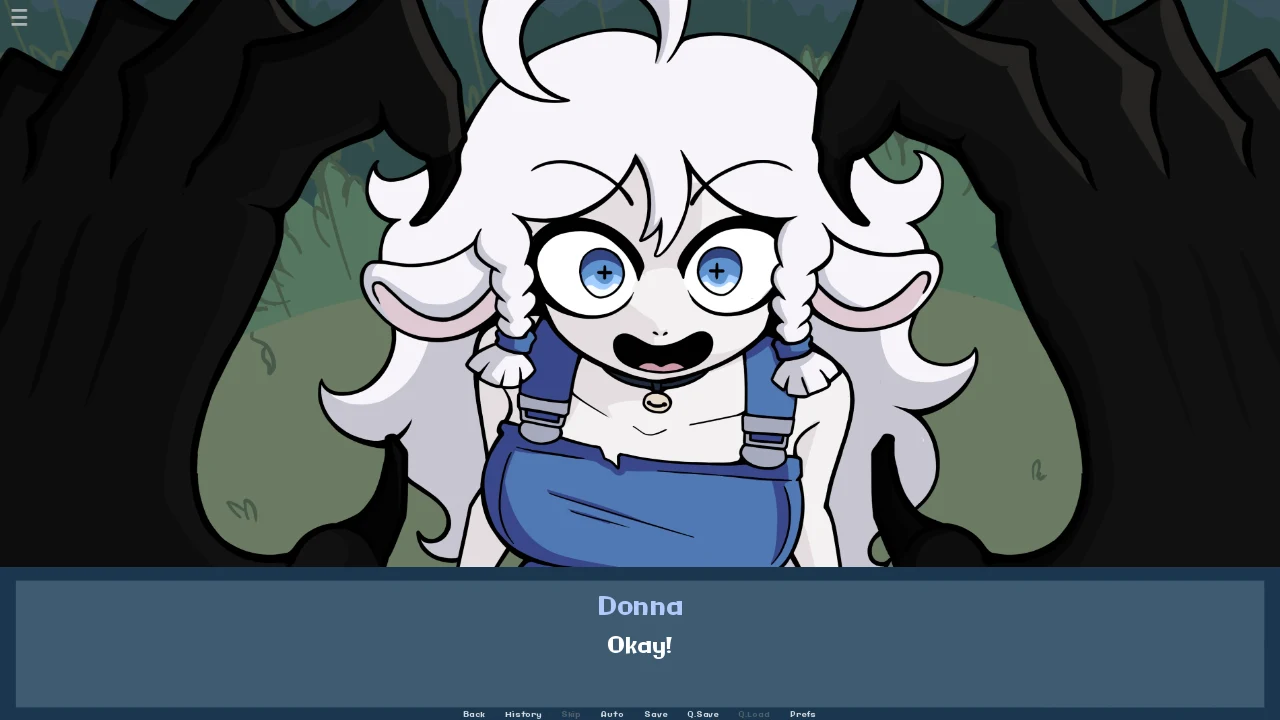
Donna says Okay! The bottom bar shows Back, History, Skip, Auto, Save, Q.Save, Q.Load and Prefs. Visible labels alone do not verify save persistence or branching choices.
Know which version the player contains
Demonward's official release is a desktop version. The frame on this page loads a third-party browser build supplied by the user, and it is not presented as an official browser release. Keep that distinction in mind when assessing loading behavior or looking for support. The site provides a convenient entry point and original reading guidance; it does not claim to be the developer, to endorse the port, or to have certified feature parity.
The game remains on an external host even when it appears inside this page. The direct-open link points to that same hosted build, so using it does not convert the experience into the official desktop edition. Availability, storage behavior, and device compatibility can depend on the external service. No verified promise of cross-device continuation, reliable mobile controls, or cloud synchronization is made here. Treat anything the build actually displays as the starting point for understanding its interface.
Start gently and follow visible instructions
Press the play icon when you want the third-party player to load. Before repeatedly clicking through the first screen, look for the build's own labels or instructions. Familiar shortcuts from another visual novel may not apply. The surrounding website cannot guarantee what an embedded program does with keyboard input. If the page scrolls instead of the game responding, selecting the game area may help identify where focus currently sits, but it does not prove a particular shortcut is supported.
On a small screen, prioritize readable text over fitting every surrounding section into view. The parent player uses a sixteen by nine area, while the game inside remains responsible for its own layout and touch behavior. Rotating a device may change the available space, but there has been no device-specific playthrough verification here. If the embedded interface is difficult to operate, stop rather than interpreting accidental advances as intended narrative pacing. The official desktop format is a separate option to investigate.
Separate a technical failure from an ending
When an external frame is empty or stops responding, first record what is visible. A loading indicator, a blank field, and a readable final screen are different observations. Avoid turning uncertainty into a confident statement that you have reached an alternate ending. Wait briefly, check your connection, and compare the direct-open view if appropriate. Reloading can interrupt the current session, and this page does not promise that the build will restore your place afterward.
If you need help, a useful report names your browser and device, the step that failed, and whether the same address opens directly. A screenshot of the visible issue can help, provided it contains no private information. Do not send account credentials or assume that clearing all browser storage is harmless. Network restrictions or an unavailable host may be outside the page's control. Neither a website checklist nor a video recording can repair missing assets on another service.
Use the screening room after your own reading
Two supplied videos sit below the guide. Because the underlying work is short, even a brief recording can disclose a substantial part of the experience. Consider postponing them until you have formed an impression of Donna and Oz for yourself. If you intentionally choose to watch first, treat that as a different way of encountering the material rather than a requirement for competent play. There is no route mastery test to pass before you can appreciate a kinetic story.
Videos can support discussion, but they are not independent proof that this exact browser build has been tested. A recording may show different conditions, another release, or an edited sequence. Compare concrete visible details instead of inferring unshown features. When sharing reactions with friends, distinguish spoiler-free comments about tone from descriptions of events. That simple courtesy preserves the option of discovery for someone who has only read the warnings and has not yet opened the player.
Leave with a question, not a completion score
After the story, give yourself a moment before jumping into another attraction. What expectation did the title create, and did your reading change it? Which aspect stayed with you: the interaction between the characters, the uncomfortable humor, or the feeling of inclusion and exclusion? These questions are prompts for reflection, not an official interpretation. You can answer them differently from another reader without either person having failed to understand a hidden mechanic.
Credit the creator when recommending the work, and be precise about where you encountered it. Saying that you used an unofficial browser presentation avoids implying that Demonward released or verified that version. If you want to revisit, choose one aspect to notice rather than expecting newly unlocked content. The modest scale is worth respecting: this is a small authored piece, not an endless attraction promising every genre feature. A thoughtful first reading and an honest response are sufficient ways to engage with it.
Optional videos: spoilers possible
Frequently asked questions
01Is this an escape-room attraction?+
No. It is a linear kinetic visual novel, not an object puzzle or room exploration game.
02Who made the original?+
Demonward created Best Friends for Dinner.
03Who are the characters?+
The story centers on Donna and Oz, who is a wolf.
04How much time should I allow?+
Around five minutes for approximately one thousand words; pausing can make your reading longer.
05What should I know about the content?+
Expect implied violence, poisoning, exclusion, and black humor. Stop if these themes are not suitable for you.
06Is the embedded release official?+
No. The official version is desktop software; this is a user-supplied third-party browser build.
07Does the screening checklist save my place?+
No. It only tracks optional page preparation and resets when the page reloads.
08Should I watch both videos first?+
Only if you accept possible spoilers. Neither video is required to understand the controls or unlock a route.