The False Sun invites you into a rural summer whose familiar surface does not settle the questions underneath. Use this reading companion to organize memories, compare choices, and protect an unspoiled first visit without turning uncertain impressions into a fabricated ending guide.
A quiet summer is not a safety guarantee
The False Sun is a useful change of pace after Frankie's Fun House because it asks you to observe a different kind of environment. Instead of testing a physical object against a puzzle, you read a situation whose emotional meaning may be uncertain. The rural setting can look restful while the conversation raises questions. Treat the attractive scenery as part of the presentation, not as evidence that the story will remain comfortable or suitable for every player.
This is a first-person visual novel with choices, not a free-roaming farming simulator. Farm activities and interactive moments belong to the narrative experience. Do not arrive expecting an open-ended crop economy or a competitive survival mode. A productive first session is one in which you understand the situation a little better and recognize what remains unknown. You do not have to collect every possible outcome before deciding whether the atmosphere and reading pace are right for you.
Understand the gap at the center of the story
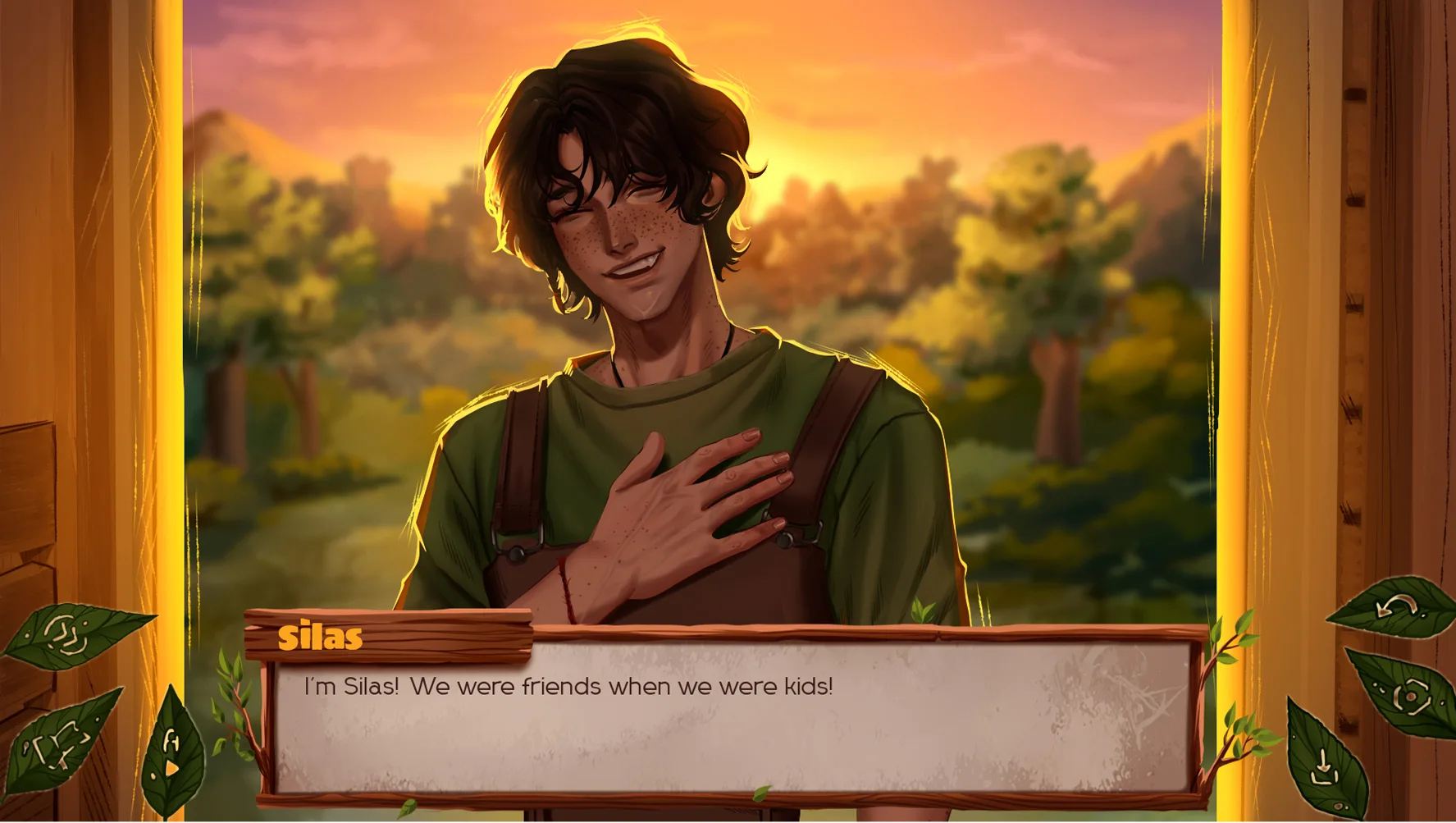
The premise brings the protagonist back to a grandfather's farm with missing memories of earlier time there. Silas, a childhood acquaintance, seems to remember more than the protagonist does. That imbalance gives you a clear reading task: notice the difference between what you personally learn and what another person tells you is already familiar. You can follow the story without deciding immediately whether every recollection is trustworthy.
Keep three categories in mind as you read: what the protagonist directly experiences now, what someone says happened before, and what you infer from those details. Mixing the categories can make an interpretation feel more certain than the available evidence supports. This guide does not identify an unreliable statement for you or reveal a later explanation. It offers a way to remain attentive to the uncertainty that gives the premise its tension, while allowing the actual scenes to establish their own meaning.
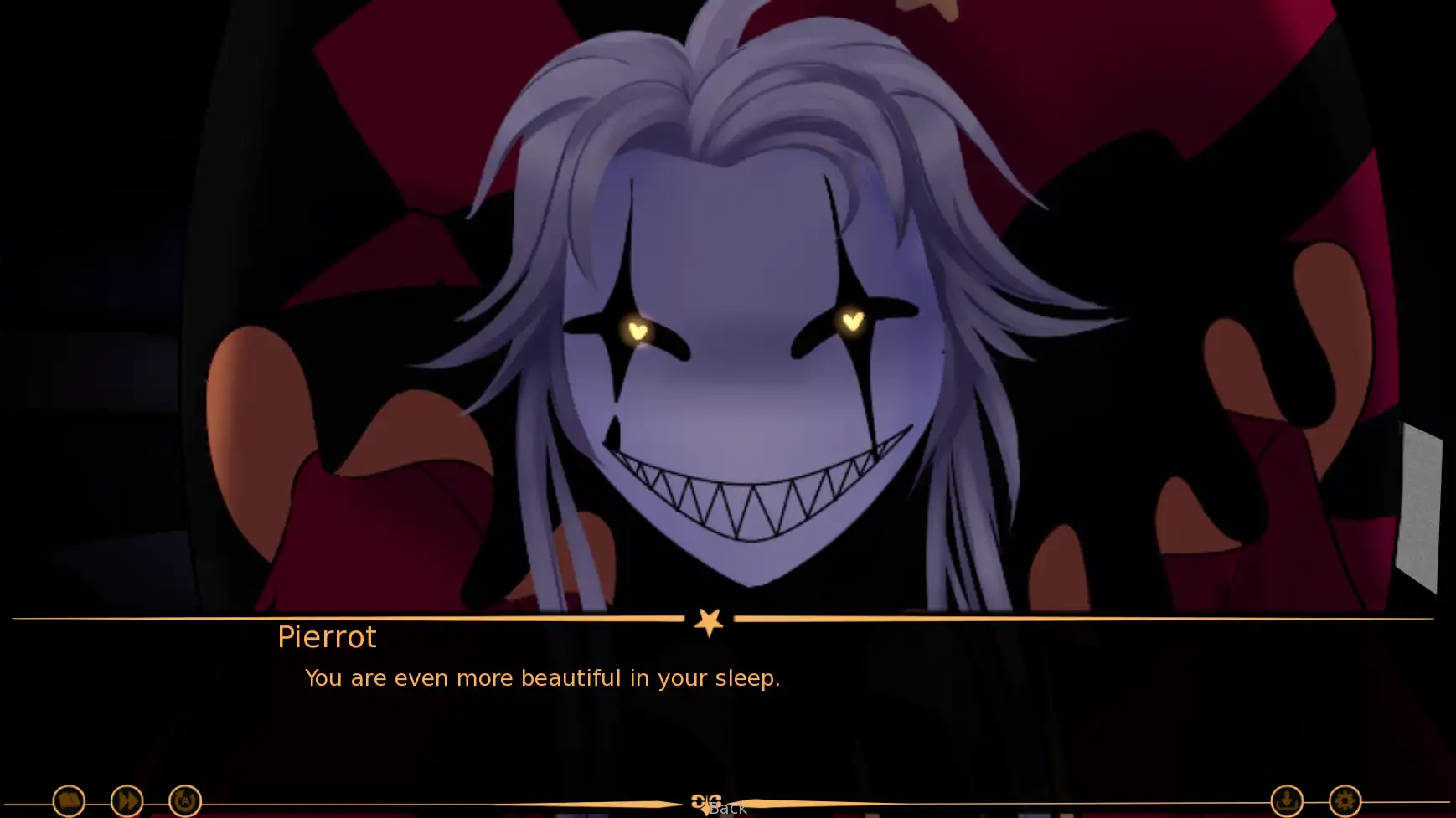
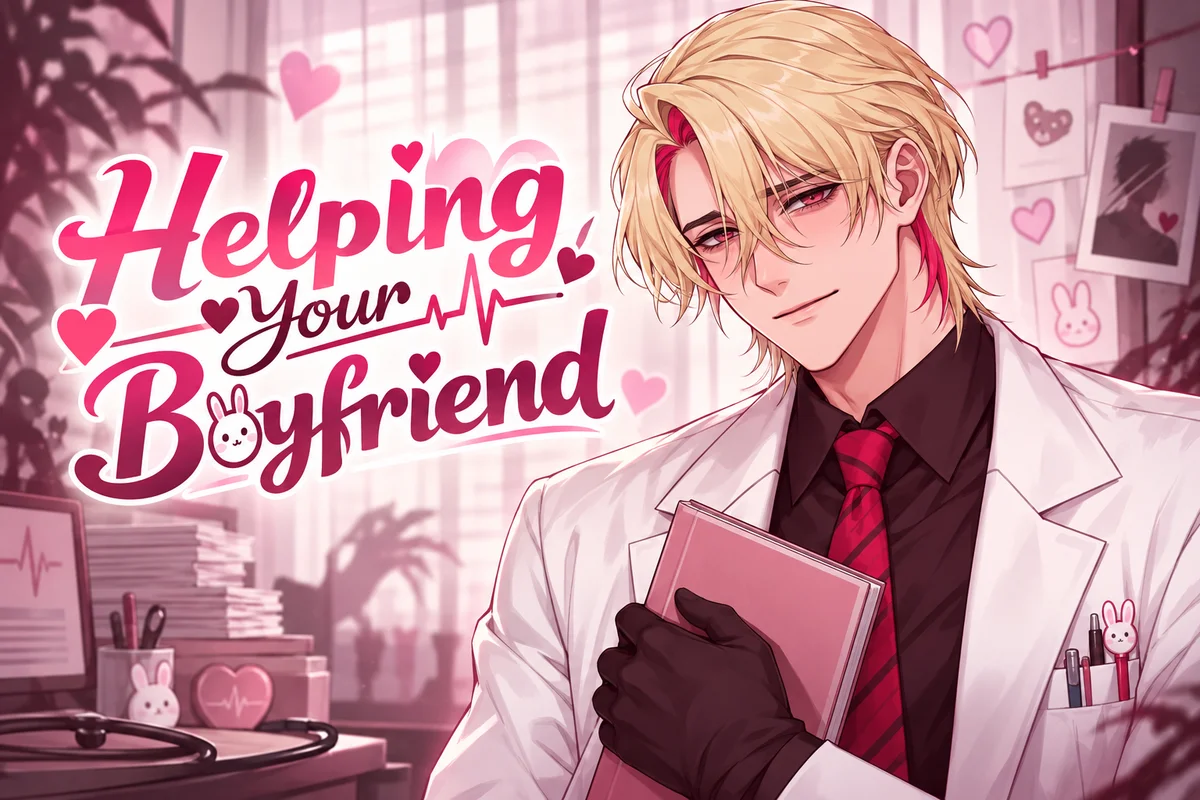
The False Sun reference image. Artwork provides visual context, not proof that a particular choice or ending is available in the embedded build.
Choose your viewing conditions thoughtfully
The author's warnings include disturbing themes, physical and emotional violence, flashing visuals, and sudden loud sounds. A warm palette does not cancel those warnings. If you are sensitive to flashing effects, inspect any available preferences and decide whether the game is appropriate before continuing. This page cannot filter effects inside the externally hosted build. Its player controls change the frame, not the game's content or accessibility options.
Use a comfortable volume and a screen where dialogue is legible without constant zooming. Avoid putting yourself in a situation where you feel obliged to continue through an uncomfortable scene because someone else is watching. Stopping is a legitimate choice. The preparation checklist is there to help you make that decision deliberately; it is not an age verification system or a promise that checking the warnings makes every later scene safe for your personal needs.
Let the first visit remain a first visit
The author advertises multiple endings, but that does not mean your initial playthrough needs to be a completion project. Pick responses according to the protagonist you want to follow and allow the story to develop. Consulting a complete outcome map before every choice can replace the experience of uncertainty with a sequence of mechanical selections. That may be enjoyable on a replay, but it is not necessary to understand the opening situation.
If an answer feels ambiguous, note the question and keep reading. You can return to it later if the save interface permits. Do not assume that a response with warmer wording is always safer or that skepticism always leads to a particular result. Those would be specific claims about branching logic that this guide has not verified. A coherent first visit gives you a baseline against which a later experiment can be compared more meaningfully.
Read Silas through context, not a score formula
A character who knows the protagonist's past can sound reassuring and unsettling within the same conversation. Read what is being offered, what is being assumed, and what room remains for the protagonist to answer freely. The context may matter more than an isolated affectionate phrase. You do not need to decide a character's entire role after one scene; allowing an interpretation to change is part of engaging with a psychological story.
Avoid inventing an affection counter simply because a game includes relationship choices. Unless the current build shows a meter or documents a rule, a guide should not assign numerical values to replies. Instead, record observable differences: an explanation, a change of subject, or a different response. That keeps your notes useful even if your first theory about the relationship turns out to be wrong. It also prevents a speculative interpretation from becoming an inaccurate instruction for another player.
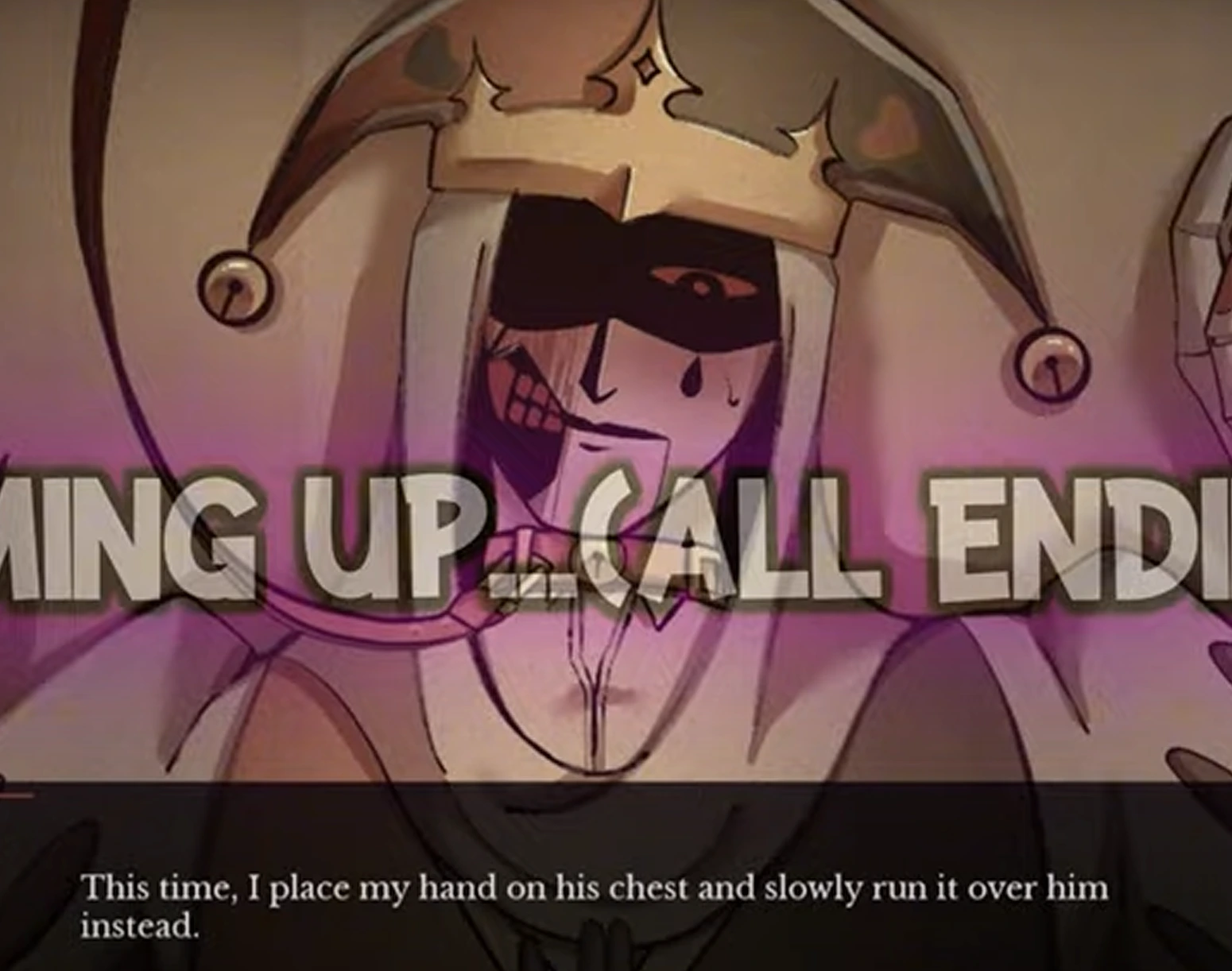
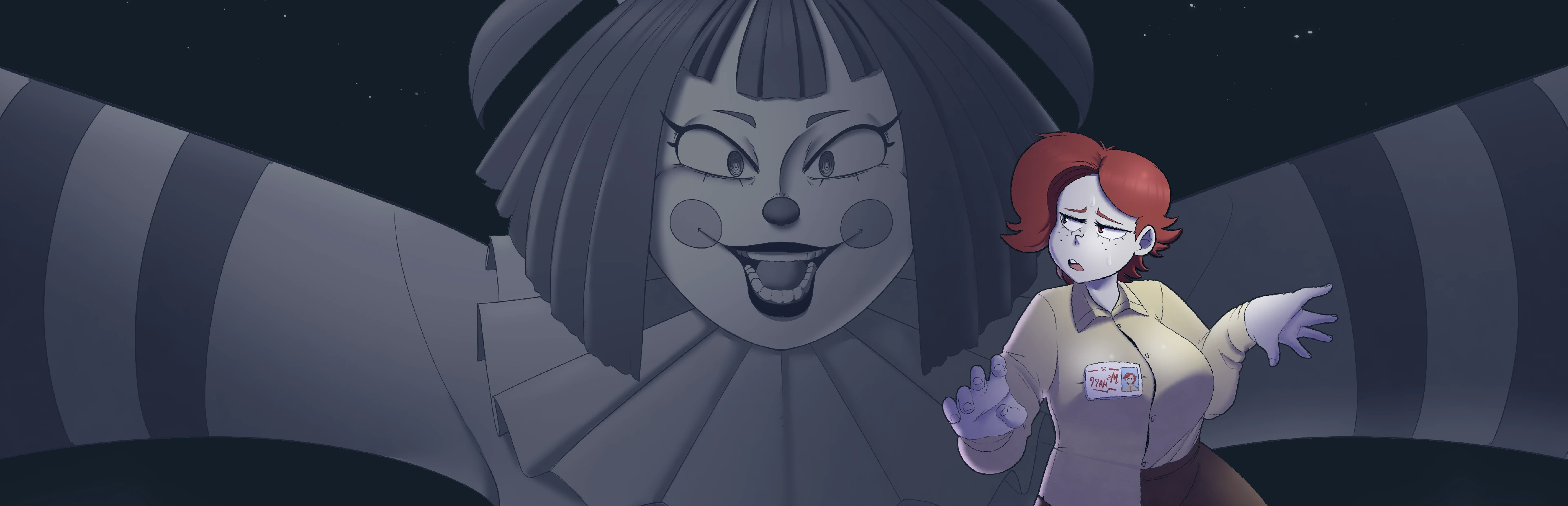
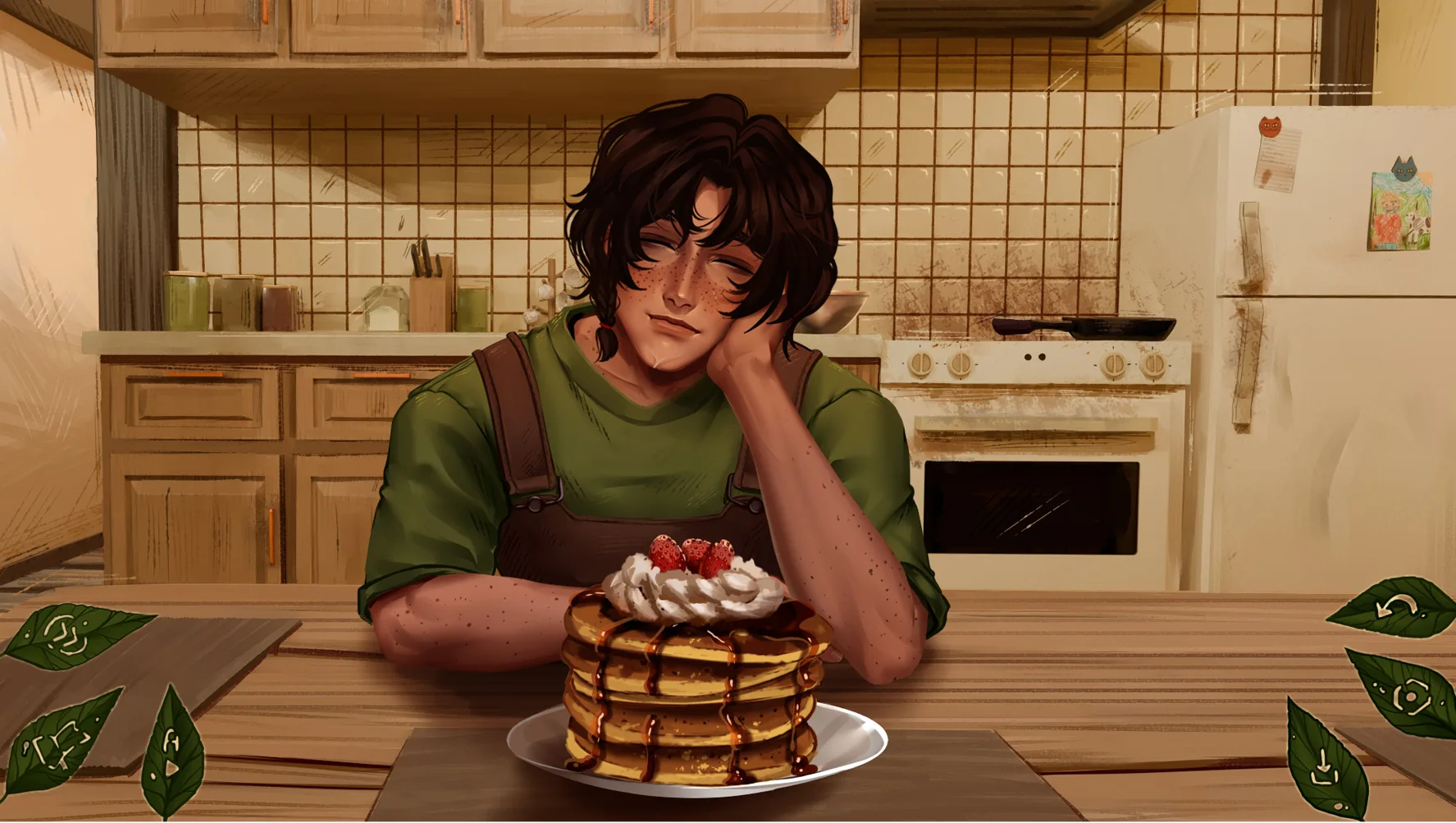
The False Sun reference image. Artwork provides visual context, not proof that a particular choice or ending is available in the embedded build.
Treat interactive moments as part of the scene
The author describes mini-games and interactive sequences alongside the visual-novel material. When one appears, read its local instructions before applying habits from the dialogue interface. An interaction can use a different input or require attention to an on-screen prompt. We have not verified every such sequence in the hosted build, so this page does not publish a universal key combination or guarantee how a missed action affects a later branch.
If you encounter difficulty, separate understanding the instruction from executing it. Make sure the frame has input focus, check whether the task expects a click or another action, and inspect any feedback the game provides. If a save before the sequence is available, preserve it before experimenting. Do not immediately assume a technical failure when the game is waiting for a specific interaction, but equally do not explain a frozen frame as an intentional challenge without evidence.
Keep a small memory notebook
For a story built around remembered and forgotten events, a few careful notes can be more helpful than an exhaustive transcript. Record a location, a claim about the past, and a question it raises. Use your own short description rather than copying every line. Keep direct observations separate from theories so that a later scene can revise your interpretation without making the entire notebook confusing.
You can also note where two characters describe an event differently, if you encounter that situation. Do not resolve the discrepancy prematurely. The point is to remember the question, not to manufacture a solution. The checklist on this webpage is intentionally simpler: it tracks preparation and resets on reload. For a notebook that persists, use your own document or another method you control. Neither that notebook nor the page can automatically read the game's memory gallery or determine which endings you have unlocked.
Make replay comparisons manageable
When you decide to replay, choose a specific question rather than trying every answer at once. Keep a baseline save where supported, then change one relevant decision and observe the result. Several altered choices may produce a different ending without revealing which alteration mattered. A smaller comparison is slower in the short term but more informative when you want to understand the story rather than merely produce a new outcome screen.
Avoid using labels such as true route or perfect ending unless the game itself supports that terminology. An emotionally satisfying conclusion for one player may not be another player's preferred outcome. Record the label and events actually shown, then keep your reaction separate. This page does not promise an all-endings solution for the embedded version. Its purpose is to help you organize a replay without misrepresenting personal preference as a technical achievement or an official interpretation of the story.
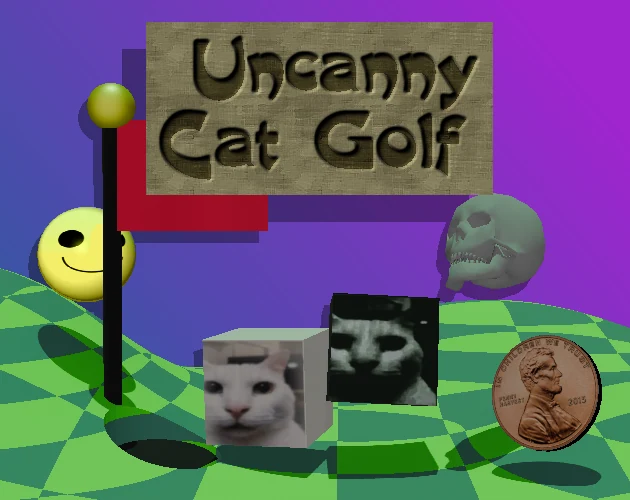
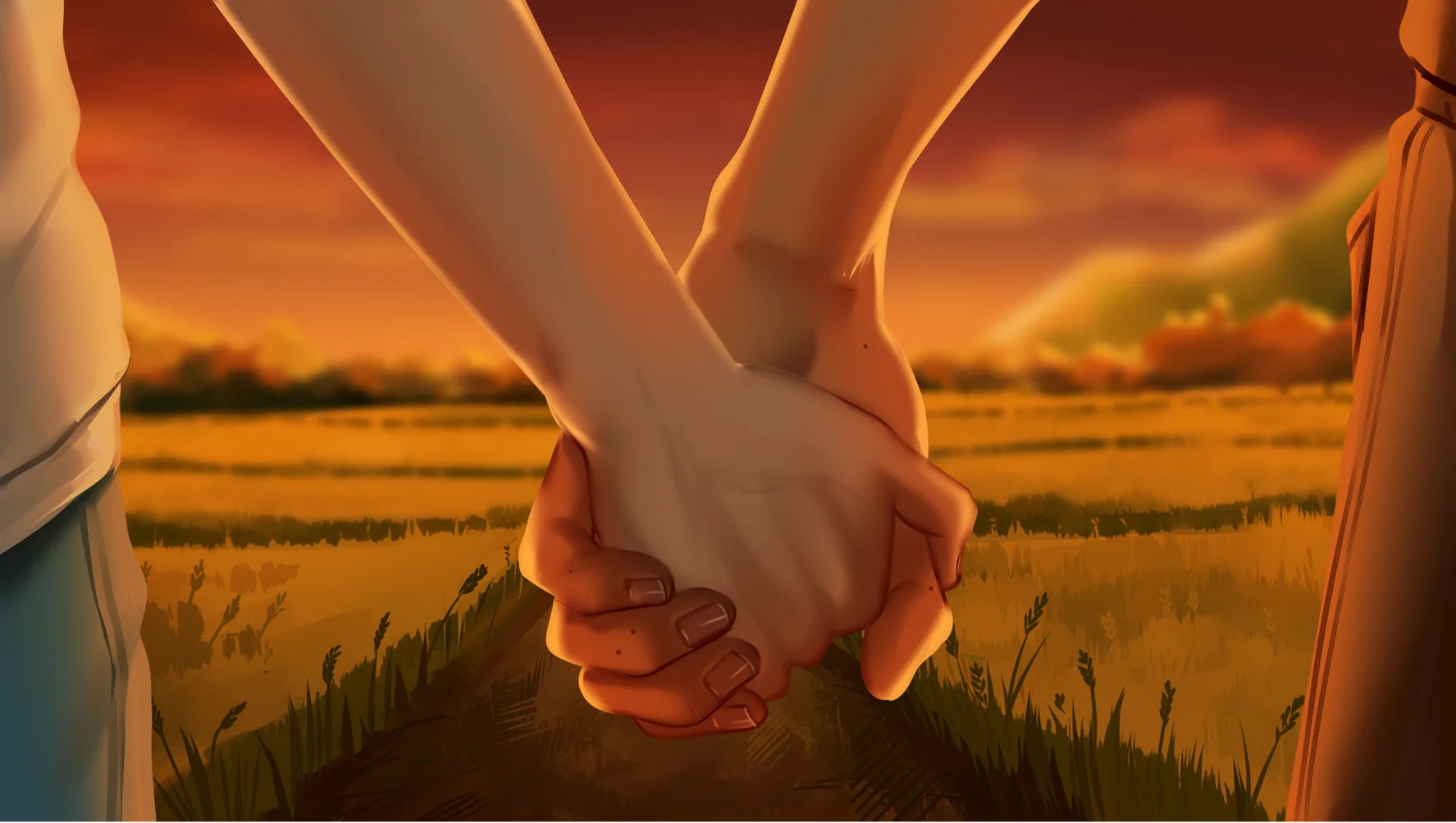
The False Sun reference image. Artwork provides visual context, not proof that a particular choice or ending is available in the embedded build.
Check the release before chasing missing content
The author's description lists twenty possible endings and galleries, but a separately hosted browser build has not been verified here against the full current download. That distinction matters. A feature described by the creator is useful background information, yet it cannot by itself prove that every feature is present and working in this particular frame. Look for the game's own version information and menu options before deciding what you can reasonably pursue.
If a recording shows an ending or gallery entry you cannot locate, compare the release and earlier choices first. Do not repeatedly clear saves to force an unverified condition. Different platform packages, versions, or starting states can explain apparent differences without implying a secret unlock. A useful support note names the visible build, the scene you reached, and the exact feature you expected. It is better to preserve uncertainty than to turn missing evidence into a confidently wrong walkthrough.
Protect progress before changing browsers
Use the save controls the game actually provides and check their feedback before closing the tab. If several slots are available, keep your main story progress separate from route experiments. A scene-based label can make it easier to resume after a break. The page's Play button, Fullscreen button, and checklist do not create game saves. They operate outside the story and should not be mistaken for a substitute for its menu.
Browser profiles and game-hosting origins can have separate storage. Private browsing may discard data when the session ends, and changing devices does not automatically transfer progress. We have not verified cross-device backup for this build. If an export feature appears, test it before relying on it. Avoid clearing site data while troubleshooting unless you understand what may be lost. A fresh browser window can be a useful diagnostic step, but it may begin with an empty save list.
Approach screenshots and videos with a question
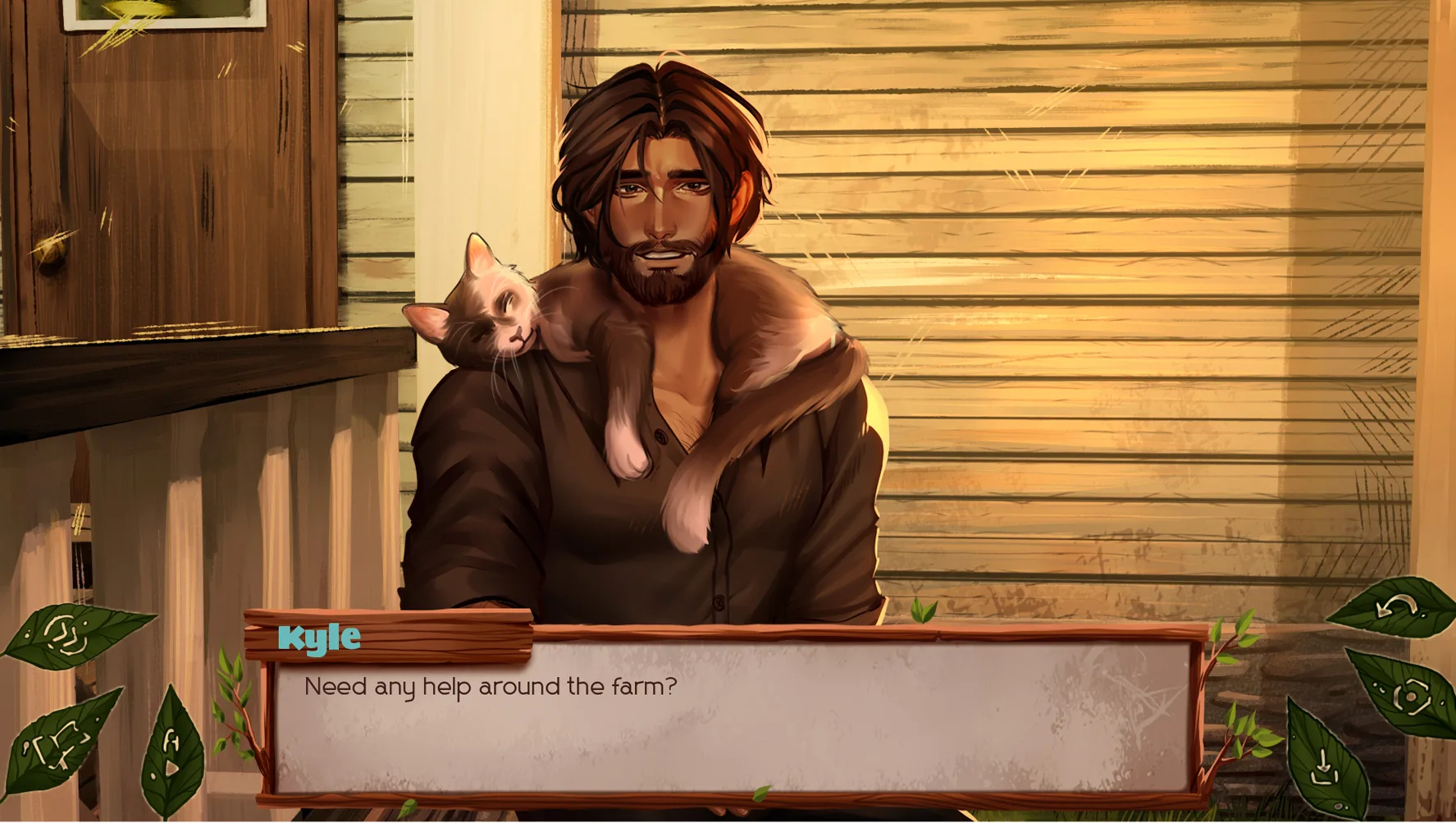
The illustrations between these sections are reference material, not a numbered route solution. A scene image may help you recognize the game's atmosphere, but it cannot establish which preceding decisions caused it. A warm moment shown in a picture should not be interpreted as proof that the entire surrounding sequence is safe or that the protagonist has reached a favorable ending. Keep the image's limited context in mind.
The supplied videos can reveal important scenes and outcomes. If you are avoiding spoilers, leave them until after your first visit. If you need help with a specific interaction, locate that moment rather than watching the entire recording. Compare the interface and release information when available. Commentary can explain a player's reasoning without being an authoritative account of the game's underlying branches. Use the recording as a reference to investigate, not as a replacement for observing your own build.
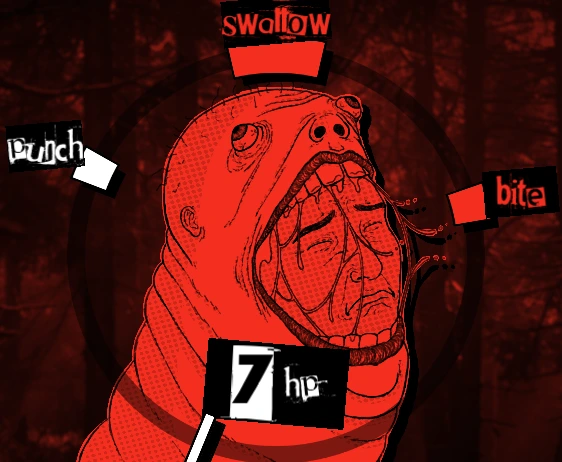
The False Sun reference image. Artwork provides visual context, not proof that a particular choice or ending is available in the embedded build.
Return from the farm without losing your place
Before ending a session, identify a natural stopping point and make a short note of your next question. Perhaps you want to revisit a response, check a memory detail, or simply continue the conversation. Save through the game where supported and confirm that the slot changed. Taking a minute to leave an orderly record can prevent a later restart caused by forgetting which session you meant to continue.
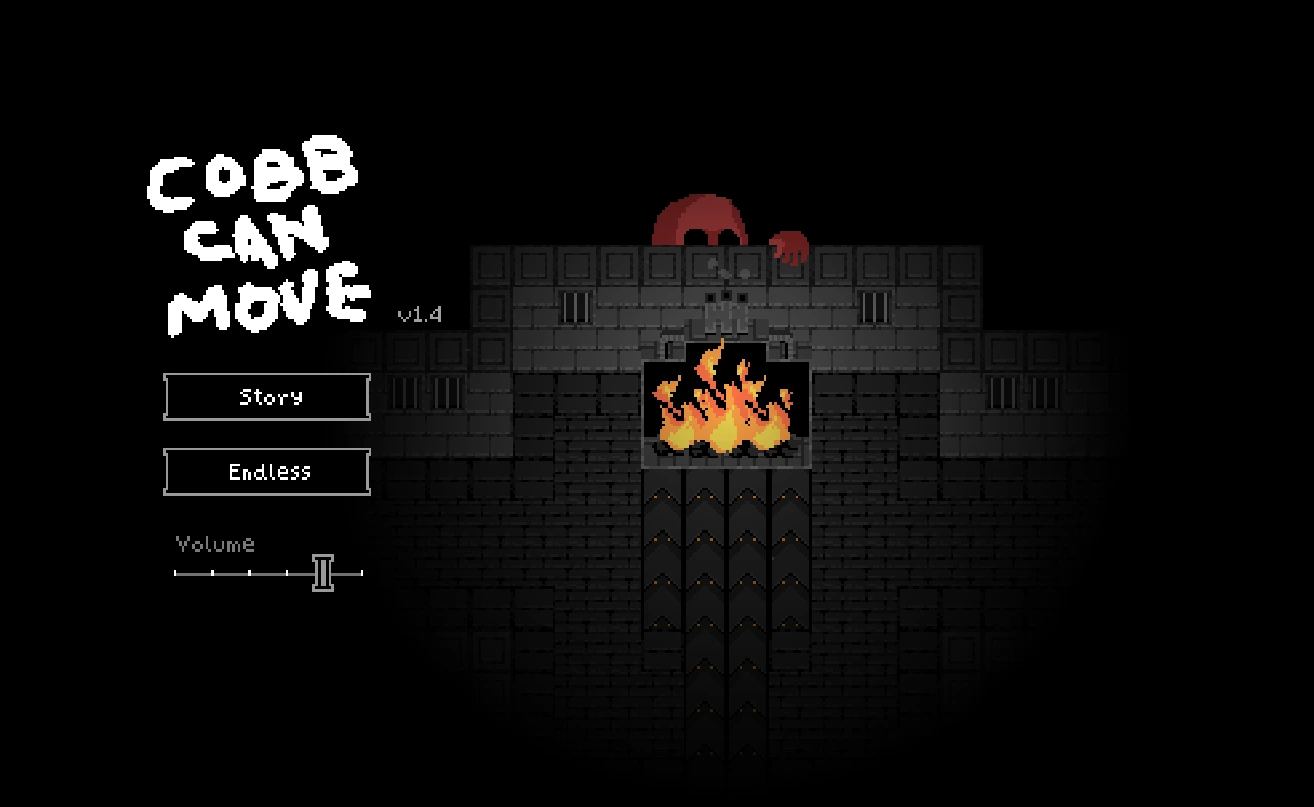
If you want a different kind of attention afterward, Frankie's Fun House offers physical observation and puzzle-solving rather than relationship reading. Cobb Can Move offers short, reactive survival attempts. The theater-themed stories keep a narrative focus but change the setting and cast. None of these recommendations implies a shared storyline. The False Sun is best treated as a distinct psychological visit: take its warmth seriously as atmosphere, its warnings seriously as information, and its unanswered questions as invitations to read carefully rather than rush.
Optional screening
Watch with spoilers in mind
Videos may show different releases and reveal scenes or outcomes. They are not a guarantee of the hosted build's features.